📞  — free, 24/7
— free, 24/7 — free, 24/7| Package | Price per Dose | Price | |
|---|---|---|---|
| 360 pills | €0.82 | €346.84 €294.81 Free shipping | |
| 180 pills | €0.85 | €178.56 €151.78 | |
| 120 pills | €0.89 | €125.33 €106.53 | |
| 90 pills | €0.93 | €99.57 €84.64 | |
| 60 pills | €1.02 | €72.10 €61.29 | |
| 30 pills | €1.21 | €42.91 €36.47 | |
| 360 pills | €0.79 | €333.10 €283.13 Free shipping | |
| 180 pills | €0.83 | €176.84 €150.32 | |
| 120 pills | €0.90 | €127.05 €107.99 | |
| 90 pills | €0.96 | €101.29 €86.10 | |
| 60 pills | €1.04 | €73.82 €62.75 | |
| 30 pills | €1.09 | €39.48 €33.55 | |
| 90 pills | €1.08 | €115.03 €97.77 | |
| 60 pills | €1.12 | €78.97 €67.12 | |
| 30 pills | €1.30 | €46.34 €39.39 | |
| 90 pills | €1.93 | €204.32 €173.67 | |
| 60 pills | €2.12 | €149.37 €126.96 | |
| 30 pills | €2.73 | €96.14 €81.72 |
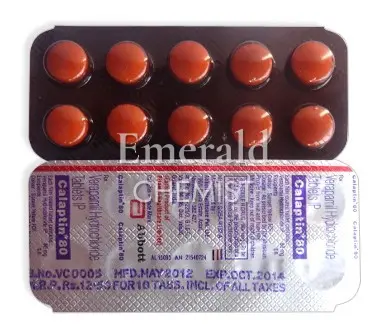
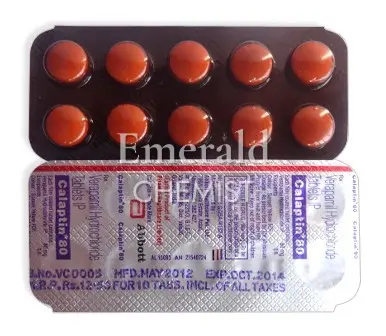
Verapamil, introduced in the 1960s as one of the first calcium channel blockers, remains widely used for angina, hypertension, and rate control in tachyarrhythmias. It blocks L-type calcium channels in cardiac and smooth muscle, producing negative inotropy and suppression of AV nodal conduction.
Verapamil is available in oral tablets and injectable forms. It has moderate oral bioavailability and extensive first-pass metabolism. In clinical practice, it is valued for both antianginal and antiarrhythmic effects, with notable impact on heart rate and vascular tone.
Primary indications include chronic stable angina and vasospastic (Prinzmetal) angina. It also treats hypertension in select patients, especially those with tachycardia or concomitant arrhythmia risk. A key use is rate control in supraventricular tachyarrhythmias, notably atrial fibrillation or flutter with rapid ventricular response.
Secondary indications reflect its vasodilatory and nodal effects. Verapamil is used when adequate rate control is needed and beta-blockers are unsuitable or contraindicated. It may be employed as part of combination therapy in stable angina or in certain tachyarrhythmias under specialist supervision, with monitoring for hemodynamic effects.
Mechanism centers on blockade of L-type calcium channels, reducing calcium influx into cardiac myocytes and smooth muscle. In the heart, this diminishes contractility and slows conduction through the AV node, lowering heart rate and myocardial oxygen demand. In vascular tissue, calcium channel blockade causes peripheral vasodilation, decreasing systemic vascular resistance and blood pressure. The combined effects relieve myocardial workload and improve supply-demand balance in angina.
Common adverse effects include constipation, edema, headache, dizziness, flushing, fatigue, and gingival hyperplasia. Safety concerns focus on bradycardia, hypotension, and potential AV block, especially with concurrent beta-blocker therapy or other negative chronotropes.
Warnings include avoidance in severe left ventricular dysfunction or advanced atrioventricular block without pacing support. Drug interactions are important: coadministration with beta-blockers or digoxin can raise bradyarrhythmic risk; CYP3A4 inhibitors or inducers can alter verapamil levels. Use with caution and follow monitoring guidelines.
14–21 days. Free from €175.85 .
5–9 days. €26.38
−10% when paying with cryptocurrency.
−10% on all repeat orders.
All orders are packed in neutral, unbranded boxes with no product name on the outside.