📞  — free, 24/7
— free, 24/7 — free, 24/7| Package | Price per Dose | Price | |
|---|---|---|---|
| 360 pills | €0.83 | €295.89 Free shipping | |
| 270 pills | €0.95 | €255.95 Free shipping | |
| 180 pills | €1.09 | €196.76 Free shipping | |
| 120 pills | €1.23 | €147.94 | |
| 90 pills | €1.39 | €125.75 | |
| 60 pills | €1.58 | €94.68 | |
| 30 pills | €1.82 | €54.73 | |
| 360 pills | €1.23 | €443.85 Free shipping | |
| 270 pills | €1.39 | €375.79 Free shipping | |
| 180 pills | €1.60 | €288.50 Free shipping | |
| 120 pills | €1.83 | €220.44 Free shipping | |
| 90 pills | €2.03 | €181.98 Free shipping | |
| 60 pills | €2.26 | €136.10 | |
| 30 pills | €2.56 | €76.92 | |
| 270 pills | €1.64 | €443.85 Free shipping | |
| 180 pills | €1.89 | €340.28 Free shipping | |
| 120 pills | €2.12 | €254.47 Free shipping | |
| 90 pills | €2.40 | €216.00 Free shipping | |
| 60 pills | €2.66 | €159.78 | |
| 30 pills | €3.00 | €90.24 |
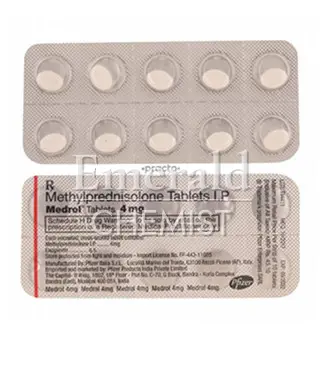
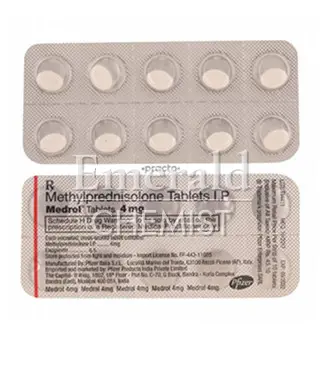
Methylprednisolone is a synthetic glucocorticoid in the corticosteroid pharmacologic class. It exerts anti-inflammatory and immunosuppressive effects by glucocorticoid receptor–mediated transcriptional regulation and is primarily used to treat inflammatory and autoimmune conditions and as replacement therapy in adrenal insufficiency.
Methylprednisolone is available in multiple salt formulations for systemic therapy, including oral tablets and injectable preparations such as sodium succinate and acetate. These formulations permit rapid administration in acute care and provide varying durations of systemic exposure depending on the route and dose.
Mechanistically, the drug binds cytosolic glucocorticoid receptors, then modulates gene transcription to suppress proinflammatory mediators while upregulating anti-inflammatory proteins. It inhibits phospholipase A2 indirectly via induced annexin-1 and decreases the production of prostaglandins, leukotrienes, and a broad spectrum of cytokines. Clinically, this yields reduced leukocyte migration, vascular permeability, and tissue edema.
Pharmacokinetically, methylprednisolone undergoes hepatic metabolism with renal and biliary excretion of metabolites. Oral bioavailability is high, distribution is extensive, and tissue penetration is substantial, enabling both systemic and localized therapeutic effects. The duration of action varies with formulation, dose, and individual factors, ranging from hours to days after administration.
Indications span inflammatory, autoimmune, allergic, and hematologic disorders. Short courses are employed for acute exacerbations of asthma or chronic obstructive pulmonary disease, severe allergic reactions, and dermatologic flares, as well as rheumatic disease activity such as rheumatoid arthritis or polymyalgia rheumatica. It also serves in inflammatory bowel disease and certain ocular or dermatologic disorders requiring prompt control of inflammation.
In autoimmune and hematologic conditions, methylprednisolone is used to induce remission or bridge therapy, and it is an established adjunct in organ transplantation to mitigate rejection. It also provides adjuvant therapy in adrenal insufficiency or shock states when fluids alone do not achieve stabilization, under careful endocrine and hemodynamic monitoring.
For neurologic and oncologic indications, high-dose methylprednisolone may reduce cerebral edema and intracranial pressure or palliate mass effect; in optometric and ocular disease, it is reserved for severe inflammatory conditions under specialist supervision. The choice of route (oral, intravenous, or local injection) and duration is guided by disease severity, prior response, and comorbidity profile.
Absolute contraindications include hypersensitivity to methylprednisolone or other corticosteroids and systemic fungal infections. In pregnancy or lactation, therapy requires a rigorous risk–benefit assessment because fetal and neonatal exposure carries potential harm; systemic use is avoided when alternatives exist unless benefits clearly outweigh risks.
Significant precautions apply to active infections without adequate antimicrobial therapy, as glucocorticoids suppress immune responses and may mask signs of infection. Live vaccines are generally contraindicated during systemic glucocorticoid therapy; inactivated vaccines may have reduced immunogenicity and should be given with consideration of immune status and disease control.
Prolonged therapy risks hypothalamic-pituitary-adrenal axis suppression and growth retardation in children. Tapering is advised after extended courses to mitigate adrenal insufficiency. Bone health should be monitored, as long-term therapy increases osteoporosis risk and may contribute to osteonecrosis, myopathy, and cataracts; screening and preventive measures are indicated in high-risk patients.
Additional considerations include renal or hepatic impairment, advanced age, and preexisting psychiatric illness, all of which necessitate dose adjustments and vigilant monitoring. Glucose intolerance or diabetes may be exacerbated, requiring regular monitoring and potential modification of antidiabetic therapy. Careful evaluation of cardiovascular risk is warranted in patients with hypertension or edema, and potential interactions with nonsteroidal anti-inflammatory drugs should be anticipated to reduce GI risk.
Very common (often reported in adults on systemic therapy) effects include increased appetite with subsequent weight gain, insomnia, and hyperglycemia in susceptible individuals. Hypertension, edema, and mood alterations such as irritability or anxiety are also frequently observed during treatment, particularly with higher doses or rapid escalation.
Common adverse effects include dyspepsia, gastritis or peptic-ulcer–type symptoms, nausea, acne, skin thinning, delayed wound healing, and increased susceptibility to infections. Edema and electrolyte shifts (notably potassium) may occur, and long-term therapy commonly affects bone density, potentially accelerating osteoporosis or fragility fractures.
Uncommon events comprise menstrual irregularities, cataracts or elevated intraocular pressure with extended exposure, steroid-induced myopathy, and mood disorders including depression or psychosis in sensitive individuals. In children, growth velocity may be transiently reduced during prolonged treatment, necessitating monitoring of growth and development.
Rare adverse events include avascular necrosis of the femoral head, pancreatitis, severe allergic or anaphylactoid reactions, and other idiosyncratic responses. Abrupt withdrawal after sustained high-dose therapy can precipitate relapse of disease or adrenal insufficiency, underscoring the need for gradual taper and clinical supervision during discontinuation.
Nonsteroidal anti-inflammatory drugs and aspirin may amplify gastrointestinal irritation and bleeding risk when coadministered with systemic glucocorticoids. Concurrent potassium-wasting diuretics can worsen hypokalemia and pose arrhythmia risk; dose adjustments and closer monitoring of electrolytes and cardiac status are advised.
Concomitant antidiabetic agents often require higher or more frequent dosing due to glucocorticoid-induced hyperglycemia. Pharmacologic interactions with cytochrome P450 modifiers are clinically relevant: inducers (eg, rifampin, certain anticonvulsants) may enhance methylprednisolone clearance, while inhibitors (eg, ketoconazole, ritonavir) may raise systemic exposure and adverse-effect risk.
Vaccination considerations are important: timing of vaccines should account for immune status, with live vaccines generally avoided during systemic therapy and vaccination delayed if feasible until therapy is reduced. Immunosuppression may blunt responses to vaccines, necessitating assessment of serostatus and potential revaccination after immune reconstitution.
Additional interactions include potential additive effects on intraocular pressure with concurrent ophthalmic corticosteroids and potential modifications in fluid and electrolyte balance when combined with other agents affecting mineralocorticoid pathways. Clinicians should review all concomitant medications and monitor for GI, metabolic, and infectious complications during methylprednisolone therapy.
14–21 days. Free from €178.26 .
5–9 days. €26.74
−10% when paying with cryptocurrency.
−10% on all repeat orders.
All orders are packed in neutral, unbranded boxes with no product name on the outside.