📞  — free, 24/7
— free, 24/7 — free, 24/7Medications that increase urine production to remove excess fluid from the body. Used to treat high blood pressure, reduce swelling from heart, liver or kidney conditions, and help manage certain kidney stones. Includes thiazide, loop and potassium-sparing agents.
Medications that increase urine production to remove excess fluid from the body. Used to treat high blood pressure, reduce swelling from heart, liver or kidney conditions, and help manage certain kidney stones. Includes thiazide, loop and potassium-sparing agents.
Diuretics are medicines that increase the amount of urine produced by the kidneys, helping the body remove excess salt and water. They are often referred to as "water pills" in everyday language, and they work through different mechanisms in the kidney to change how fluids and certain salts are handled. This broad group of drugs is used in various clinical contexts where reducing fluid volume is helpful or necessary.
Common situations where these medicines are used include management of fluid retention (edema), control of high blood pressure, and treatment of some conditions affecting the heart and kidneys. In those settings, diuretics can help lower the volume of fluid the circulatory system must carry or reduce pressure by altering sodium and water balance. The specific choice of agent depends on the clinical aim, how quickly an effect is needed, and the balance of benefits and potential effects on electrolytes.
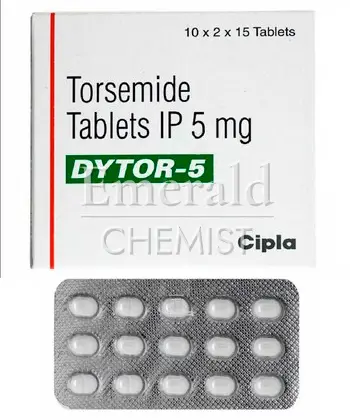
There are several main types of diuretics available. Thiazide-type agents such as hydrochlorothiazide (often seen under names like Microzide or Esidrix) are widely used for long-term blood pressure control. Loop diuretics including furosemide (Lasix) and torsemide (Demadex) act more rapidly and are commonly used when stronger fluid removal is needed. Potassium-sparing diuretics such as spironolactone (Aldactone) reduce fluid while helping retain potassium, and other agents like metolazone (Lozol) or chlorthalidone (Hygroton) have distinct durations of action and potency that make them suitable for particular situations.
Safety considerations are an important part of using these medicines. Because diuretics influence fluid and electrolyte balance, they can be associated with side effects such as increased urination, changes in blood electrolytes and blood pressure, and symptoms like lightheadedness. Some agents may interact with other medications or affect kidney function, so monitoring by healthcare providers is commonly part of the overall treatment plan. Information about side effects, monitoring tests, and how the medicine behaves in the body helps prescribers choose the right option for each person.
When people compare diuretic options they often look at several practical attributes: how quickly the medicine takes effect, how long it lasts, whether it tends to lower or preserve potassium, the available formulations (oral tablets, oral liquids, or injectable forms for some loop diuretics), and how frequently doses are needed. Other considerations include prior response to the medicine, tolerance of side effects, and whether the drug fits into combinations commonly used for blood pressure or heart-related regimens.
Availability and use are typically determined through a prescriber, and many diuretics are prescription-only medications. In everyday practice, clinicians match the diuretic’s properties to the clinical goal—whether that is gradual long-term control of blood pressure or more rapid relief of fluid buildup—and arrange suitable follow-up. Descriptions of individual products and their common uses are provided here to help users understand what to expect when encountering names like furosemide, hydrochlorothiazide (Microzide/Esidrix), spironolactone (Aldactone), torsemide (Demadex), metolazone (Lozol) or chlorthalidone (Hygroton) during care.