📞  — free, 24/7
— free, 24/7 — free, 24/7Medications and supplies for HIV treatment and prevention, including antiretroviral therapy (ART), pre- and post-exposure prophylaxis (PrEP, PEP), monitoring support such as viral load/CD4 testing essentials, and adherence aids with information on dosing, interactions and safety.
Medications and supplies for HIV treatment and prevention, including antiretroviral therapy (ART), pre- and post-exposure prophylaxis (PrEP, PEP), monitoring support such as viral load/CD4 testing essentials, and adherence aids with information on dosing, interactions and safety.
Medications in the "Hiv" category cover antiretroviral drugs used to treat and manage infection with the human immunodeficiency virus (HIV). These medicines are not a cure but are designed to suppress viral replication, preserve immune function and reduce the risk of HIV-related illnesses. Over time, antiretroviral therapy has transformed HIV into a chronic, manageable condition for many people when an appropriate treatment plan is maintained.
Common uses for medicines in this group include reducing the amount of virus in the blood (viral load) and helping to keep the immune system functioning. Antiretroviral drugs are often combined into multi-drug regimens so that different drugs work together to limit viral replication and reduce the chance that resistance will develop. Some agents are also used in specific situations such as prevention after potential exposure and for treating coinfections where formulations overlap.
Several major classes of medications are represented here. Nucleoside/nucleotide reverse transcriptase inhibitors (NRTIs) often form the backbone of regimens; non-nucleoside reverse transcriptase inhibitors (NNRTIs) provide alternative mechanisms of action; protease inhibitors (PIs) block another step in viral replication and are frequently given with small doses of a ritonavir or cobicistat “booster” to increase drug levels; integrase strand transfer inhibitors (INSTIs) prevent viral DNA from integrating into host DNA; and entry or fusion inhibitors interfere with the virus entering cells. Products range from single-agent tablets to fixed-dose combinations that simplify dosing.
Safety and practical considerations are important with antiretrovirals. Side effects vary by drug and can include gastrointestinal symptoms, changes in sleep or mood, metabolic effects, and organ-specific concerns. Drug–drug interactions are common because many antiretrovirals affect liver enzymes that metabolize other medicines. Treatment strategies are tailored to the individual, taking into account overall health, coexisting conditions, potential interactions, and the goal of maintaining consistent medication adherence to preserve long-term effectiveness.
When choosing medications from this category, people typically compare factors such as effectiveness in suppressing the virus, side effect profile, pill burden and dosing frequency, potential interactions with other medications, and suitability for special situations like pregnancy or concurrent hepatitis B infection. Formulation options (tablets, capsules, liquids), the availability of combination pills that reduce the number of daily doses, and whether a medicine has generic alternatives are also commonly considered.
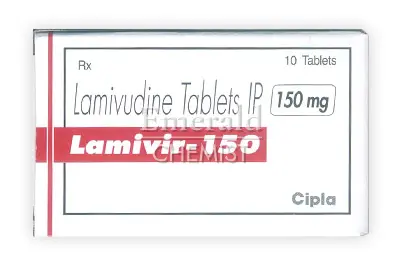
Familiar examples of medicines you may encounter in this category include lamivudine, often sold under the name Epivir, which is commonly used as part of combination regimens and also appears in formulations specific to hepatitis B (Epivir‑HBV); efavirenz, known as Sustiva, which is an NNRTI with a long history of use; and lopinavir/ritonavir, known as Kaletra, a protease inhibitor formulation that includes a boosting component. Antiretroviral therapy continues to evolve, with newer agents emphasizing greater tolerability, fewer interactions and simpler dosing schedules.