📞  — free, 24/7
— free, 24/7 — free, 24/7| Package | Price per Dose | Price | |
|---|---|---|---|
| 360 pills | €0.80 | €341.67 €290.42 Free shipping | |
| 180 pills | €0.86 | €183.03 €155.58 | |
| 120 pills | €0.90 | €127.24 €108.16 | |
| 90 pills | €0.92 | €97.61 €82.97 | |
| 60 pills | €0.99 | €69.71 €59.26 | |
| 30 pills | €1.08 | €38.34 €32.58 | |
| 360 pills | €1.01 | €425.35 €361.55 Free shipping | |
| 270 pills | €1.05 | €334.70 €284.49 Free shipping | |
| 180 pills | €1.11 | €235.33 €200.03 Free shipping | |
| 120 pills | €1.23 | €174.31 €148.17 | |
| 90 pills | €1.35 | €142.93 €121.49 | |
| 60 pills | €1.59 | €111.55 €94.82 | |
| 30 pills | €1.78 | €62.74 €53.33 | |
| 20 pills | €1.93 | €45.31 €38.51 | |
| 10 pills | €2.22 | €26.13 €22.21 | |
| 270 pills | €3.26 | €1,035.51 €880.18 Free shipping | |
| 180 pills | €3.54 | €749.60 €637.16 Free shipping | |
| 120 pills | €3.91 | €552.61 €469.72 Free shipping | |
| 90 pills | €4.31 | €456.73 €388.22 Free shipping | |
| 60 pills | €4.67 | €329.47 €280.05 Free shipping | |
| 30 pills | €5.14 | €181.29 €154.09 |
Could Aciclovir help if I have a painful cold sore, a genital herpes outbreak, or a shingles rash? Many patients wonder if this antiviral can shorten illness or prevent frequent flare-ups. Aciclovir targets herpesviruses by slowing viral DNA replication. It is not a cure, but taken correctly it can ease symptoms and speed recovery. This page covers what Aciclovir is, how it is used, how it works, and key safety notes.
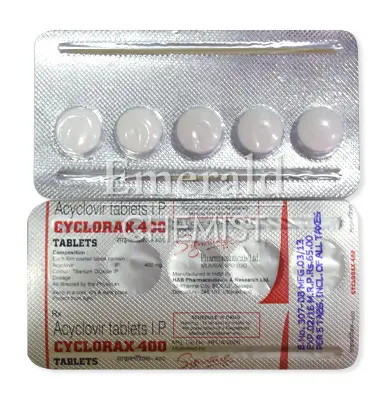
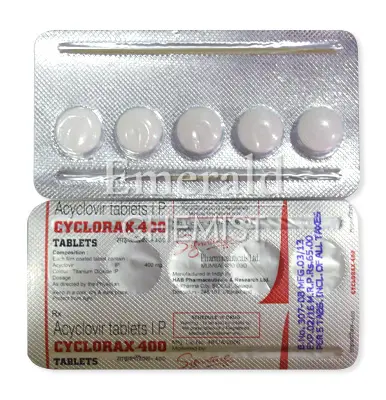
Aciclovir is an antiviral medication in the herpes family. It is active against HSV-1, HSV-2 and VZV, the viruses behind cold sores, genital herpes, shingles and chickenpox. It comes as oral tablets or suspension, a skin cream, and an IV formulation for serious infections.
Inside the body, Aciclovir is activated mainly in infected cells. A viral enzyme initiates the process, converting it to a form that human enzymes then turn into the active triphosphate. This active molecule interferes with viral DNA synthesis, slowing replication while leaving most healthy cells relatively unaffected. The drug is not a cure and latent virus remains in the body, but it can reduce symptoms and duration when used promptly.
Genital herpes: For a first episode, an oral course helps speed healing and lessen symptoms. For recurrences, shorter courses or ongoing suppressive therapy can reduce flare-ups and viral shedding. Early treatment—within the first day of symptoms—offers the best outcome.
Orolabial herpes and skin infections: Cold sores respond to either oral or topical Aciclovir, with oral therapy preferred for larger or painful lesions. Topical cream is an option for mild facial outbreaks and for those who cannot take pills.
Varicella and herpes zoster: Chickenpox in otherwise healthy children or adults may benefit from a short oral course started early. Shingles treatment started within 72 hours can shorten healing and may lessen nerve pain. Severe disease or immunocompromised patients may require IV therapy.
Special cases and prevention: People with frequent outbreaks or certain immune conditions may use suppressive therapy to reduce recurrences. In particular situations, Aciclovir is used to prevent progression of herpes infections or to protect high-risk patients under medical supervision.
Aciclovir resembles a DNA building block. When a herpesvirus infects a cell, the virus activates it to the mono-phosphate form, then human enzymes convert it to the active triphosphate. This form is then incorporated into viral DNA by the virus’s polymerase, causing premature termination of DNA synthesis.
Because the drug is most effectively activated in infected cells, healthy tissue is less affected. That selective activation helps limit side effects and makes the treatment tolerable for most people. Resistance is possible but uncommon in people with healthy immune systems.
In severe or resistant cases, clinicians may switch to alternative antivirals or combine therapies under close monitoring. Dosing and choice depend on the infection site, severity, and patient kidney function.
Most people tolerate Aciclovir well. Common side effects include headache, nausea, and mild diarrhea. Some people report dizziness or a skin rash; these are usually mild and resolve with continued use or stopping the drug.
Kidney function can be affected, especially with intravenous use or in dehydration. People with kidney disease or those taking other nephrotoxic medicines may need dose adjustments. Rare nervous system effects include confusion or tremor, usually in high-dose IV regimens or vulnerable patients.
Topical Aciclovir can cause local burning or itching at the application site. As with all medicines, inform a clinician about allergies, current medications, and pregnancy status to assess risk of interactions or special precautions.
Formulations include oral tablets and suspension, a topical 5% cream for skin lesions, and an IV preparation for hospital use. The route chosen depends on infection severity, patient age, and ability to take medicines by mouth.
Typical adult regimens vary by condition and should be prescribed by a clinician. For genital herpes, a common short course is 400 mg taken five times daily for several days, or alternatives based on weight or previous episodes. Shingles often calls for 800 mg five times daily for about a week. Children require dose adjustments by weight and age.
Practical tips: take tablets with water, with or without food as advised. Do not share medicines, store per package directions, and finish the prescribed course unless advised otherwise. For topical use, apply to clean skin and avoid eyes or mucous membranes.
14–21 days. Free from €178.53 .
5–9 days. €26.78
−10% when paying with cryptocurrency.
−10% on all repeat orders.
All orders are packed in neutral, unbranded boxes with no product name on the outside.