📞  — free, 24/7
— free, 24/7 — free, 24/7Products to support urinary tract and bladder health, including cranberry and D-mannose supplements, probiotics, UTI symptom relief, urine test strips, bladder control aids, and hygiene items. Used for prevention, symptom management, and recurrent UTI care; guidance from a healthcare professional may be appropriate.
Products to support urinary tract and bladder health, including cranberry and D-mannose supplements, probiotics, UTI symptom relief, urine test strips, bladder control aids, and hygiene items. Used for prevention, symptom management, and recurrent UTI care; guidance from a healthcare professional may be appropriate.
Medications in the Urinary Health category are designed to address a range of symptoms that affect the bladder, urethra and, in men, the prostate. These products target the function of bladder muscles and urinary flow, and are commonly used to manage conditions such as overactive bladder, urinary urgency and incontinence, lower urinary tract symptoms related to benign prostatic enlargement, and bladder spasms. The category brings together treatments that act on different physiological pathways so that the pattern and cause of symptoms can be treated appropriately.
Typical uses include reducing sudden urges to urinate, decreasing the number of nighttime awakenings, improving the ability to empty the bladder when flow is obstructed, and calming painful spasms of the urinary tract. Some medicines are aimed primarily at storage symptoms (frequency, urgency, leakage), while others focus on voiding symptoms (weak stream, straining, incomplete emptying) often seen with an enlarged prostate. Medications may be used short term after procedures or as part of longer-term symptom management plans.
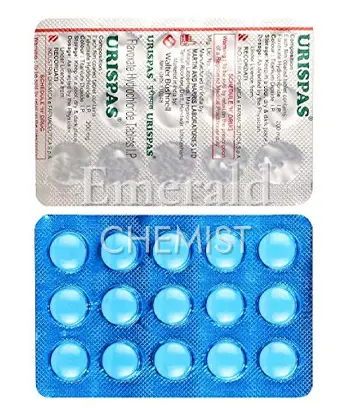
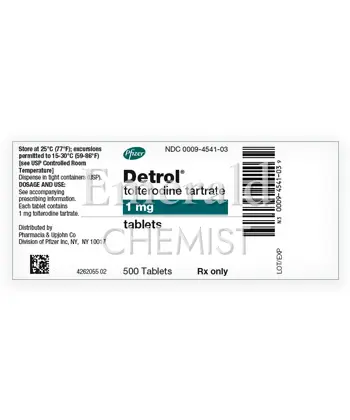
Different therapeutic classes are represented. Antimuscarinic agents that relax bladder muscle and reduce urgency appear in both immediate-release and extended-release forms; examples include oxybutynin (commonly marketed as Ditropan) and tolterodine (Detrol, Detrol LA). Transdermal formulations such as oxybutynin patches (Oxytrol) offer an alternative route. Alpha-1 blockers, which help relax smooth muscle in the prostate and bladder neck to improve urine flow, include tamsulosin (Flomax), alfuzosin (Uroxatral), terazosin (Hytrin) and prazosin (Minipress). Antispasmodic agents used to relieve bladder spasm, for instance flavoxate (Urispas), are also present, and more recent options target other receptor systems used for bladder control. Formulations vary from oral tablets to patches and extended-release capsules to match different preferences and dosing schedules.
General safety considerations are an important part of selecting a urinary medication. Many agents are associated with side effects such as dry mouth, constipation, blurred vision or dizziness; drugs that relax smooth muscle can lower blood pressure and sometimes cause lightheadedness, while anticholinergic medicines may contribute to urinary retention in certain situations. Older adults may be more susceptible to cognitive and systemic effects from some therapies. Kidney and liver function, potential drug interactions and the overall pattern of symptoms influence which products are appropriate. Some treatments require a prescription and specific dosing adjustments or monitoring may be advised for particular health conditions.
When choosing a product consumers typically weigh expected symptom relief against tolerability and convenience. Key factors include how quickly a medicine works, how long effects last, whether the dosing fits a daily routine, the route of administration (oral tablet versus patch), and the likelihood of common side effects. Compatibility with other medications, any special storage or administration needs, and whether a product is intended for men or women are also frequent considerations. Clear product information on formulation, active ingredient and typical use helps users match options to their personal needs and preferences.