📞  — free, 24/7
— free, 24/7 — free, 24/7Medications and topical treatments for prevention and treatment of parasitic infections. Covers oral antiparasitics for intestinal worms and protozoa as well as topical formulations for lice, scabies and other external parasites. Includes tablets, creams, shampoos and solutions.
Medications and topical treatments for prevention and treatment of parasitic infections. Covers oral antiparasitics for intestinal worms and protozoa as well as topical formulations for lice, scabies and other external parasites. Includes tablets, creams, shampoos and solutions.
Antiparasitic medicines are a group of drugs used to treat infections caused by a variety of parasites, including microscopic protozoa, intestinal worms (helminths) and external parasites such as scabies or lice. This category covers agents intended to eliminate parasites living inside the body as well as topical products aimed at parasites on the skin. Products range from systemic oral tablets that circulate in the bloodstream to creams, lotions and shampoos applied directly to affected areas.
Typical situations for use include intestinal infections that cause gastrointestinal symptoms, single- or multi-organ infestations by worm species, and skin infestations that produce itching or rash. Some agents are used for widespread public-health situations or travel-related risks, while others address isolated infections diagnosed after testing. Treatment regimens and the choice of medicine are usually influenced by the type of parasite involved, the location of the infection and regional treatment recommendations.
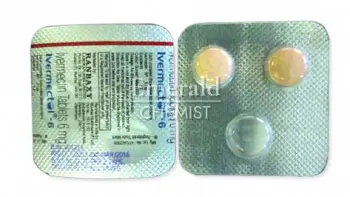
Medications in this group belong to several chemical classes with different modes of action. Benzimidazole compounds such as albendazole (marketed as Albenza) and mebendazole (Vermox) are commonly used against a broad range of intestinal worms. Praziquantel (Biltricide) is frequently used for tapeworms and schistosomal infections, whereas ivermectin (Stromectol) is effective for certain tissue-dwelling parasites and is also used in skin infestations. Nitroimidazole agents such as tinidazole are effective against certain protozoal infections. Each medicine targets particular parasites and may be preferred in specific clinical scenarios.
Administration varies by drug and condition. Some medications are given as a single oral dose, while others require multiple doses over several days or weeks. Topical formulations provide targeted treatment for skin parasites, and combination approaches are sometimes employed when multiple organisms or stages of infection are present. Laboratory tests, such as stool examinations or other diagnostic methods, commonly inform which agent and schedule are chosen, and follow-up testing may be used to assess response to treatment.
Safety considerations include the potential for side effects, drug–drug interactions and contraindications in certain populations. Common adverse effects reported with antiparasitic agents can include gastrointestinal discomfort, headache, dizziness and, less commonly, allergic reactions or liver-related effects. Specific products may carry warnings about use during pregnancy or in young children, and some require monitoring of blood tests during prolonged courses. Product labels and regulatory information outline approved uses, known risks and recommended precautions.
When comparing options, users typically consider the parasite coverage of the medication, route of administration, dosing schedule and safety profile for household members such as children or pregnant individuals. Formulation (tablet, suspension, cream), overall convenience and whether a prescription is required also influence choices. Information on approved indications, the patient information leaflet and packaging details are commonly reviewed to understand how a particular medicine is intended to be used and what safety information applies.