📞  — free, 24/7
— free, 24/7 — free, 24/7Products and medications for managing arthritis symptoms and joint health, including analgesics and anti-inflammatories, topical creams and gels, supplements such as glucosamine and chondroitin, joint braces and supports, and aids to reduce stiffness and improve mobility.
Products and medications for managing arthritis symptoms and joint health, including analgesics and anti-inflammatories, topical creams and gels, supplements such as glucosamine and chondroitin, joint braces and supports, and aids to reduce stiffness and improve mobility.
Arthritis covers a range of conditions that affect joints and nearby tissues, causing pain, stiffness, swelling and reduced mobility. Many people associate the term with age-related wear and tear, but it also describes inflammatory disorders and metabolic forms of joint disease. The medicines in this category are intended to relieve symptoms, control inflammation, manage acute attacks and, in some cases, modify the underlying disease process to limit further joint damage.
Common uses include short-term treatment of pain and inflammation during flares, ongoing management of chronic symptoms to maintain everyday function, and prevention of recurrent episodes in conditions such as gout. Some agents are chosen for rapid relief of an acute attack, while others are prescribed to reduce the frequency and severity of episodes over months or years. Treatment goals vary with the type of arthritis and the needs of the person affected.
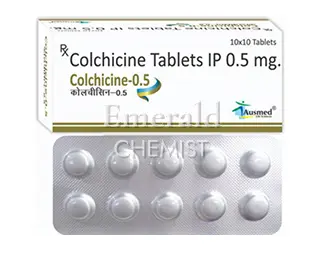
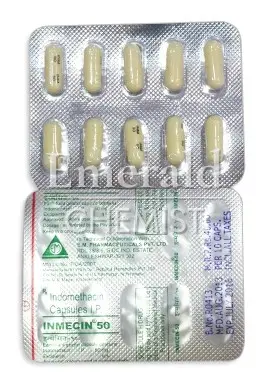
The category brings together several classes of drugs. Nonsteroidal anti-inflammatory drugs (NSAIDs) such as ibuprofen, naproxen and indomethacin are widely used for pain and inflammation. Colchicine and certain oral corticosteroids are commonly used for acute gout flares. Urate-lowering agents like allopurinol are intended to prevent gout attacks by lowering blood uric acid over the long term. Disease‑modifying and immunomodulatory medicines, including some conventional immunosuppressants and newer targeted therapies, are prescribed for inflammatory and autoimmune forms of arthritis to slow disease progression.
How these medicines are used depends on the therapeutic aim. Analgesics and NSAIDs may be taken intermittently for episodic pain or regularly for chronic discomfort, while colchicine is typically used during flares or at low doses for prevention. Urate-lowering therapy is generally a long-term strategy to reduce recurrence of gout and requires sustained use to be effective. Immunomodulators and certain newer oral agents are often part of a longer-term plan to reduce inflammation and protect joint structure rather than providing immediate pain relief.
Safety considerations differ across the medicines commonly found in this group. Gastrointestinal upset, cardiovascular and kidney considerations are commonly associated with some NSAIDs, while colchicine can cause gastrointestinal side effects at higher doses. Long-term urate-lowering drugs may require periodic blood monitoring, and immunosuppressive agents carry risks related to infection and organ function that are monitored by clinicians. Drug interactions and individual health factors influence suitability and dosing, so clinicians typically assess risks and benefits when selecting a treatment.
When people compare options they often look at how quickly a medicine works, how long the effect lasts, the route of administration, and the expected side effect profile. Additional considerations include whether a drug is intended for short-term flare control or long-term prevention, any monitoring requirements, potential interactions with other medications, and previous response to treatment. Examples of medicines commonly encountered in this category include NSAIDs such as ibuprofen and naproxen, gout therapies such as colchicine and allopurinol, and a range of corticosteroids, immunosuppressants or targeted agents used in inflammatory arthritis.