📞  — free, 24/7
— free, 24/7 — free, 24/7Medications and supplements to manage blood cholesterol and support cardiovascular health, including prescription and over-the-counter lipid-lowering drugs, omega-3 and plant sterol products, home cholesterol test kits, and informational aids for diet and monitoring.
Medications and supplements to manage blood cholesterol and support cardiovascular health, including prescription and over-the-counter lipid-lowering drugs, omega-3 and plant sterol products, home cholesterol test kits, and informational aids for diet and monitoring.
Medications in the Cholesterol category are designed to modify blood lipid levels, most often to reduce low‑density lipoprotein (LDL) cholesterol and lower the risk of heart disease and stroke. These products work through different biological mechanisms to decrease the amount of cholesterol produced by the liver, to limit intestinal absorption of dietary cholesterol, or to change the balance of fat particles in the blood. They are most commonly taken long term as part of an overall risk‑management strategy that can also include diet, exercise and other lifestyle measures.
Typical reasons people are prescribed cholesterol medicines include persistently high LDL cholesterol on blood tests, a history of cardiovascular events such as heart attack or stroke, genetic conditions that cause very high cholesterol (for example familial hypercholesterolemia), or mixed abnormalities in triglycerides and HDL cholesterol. Some people take these medicines preventively because of multiple risk factors, while others begin treatment after an acute cardiovascular event to reduce the chance of recurrence.
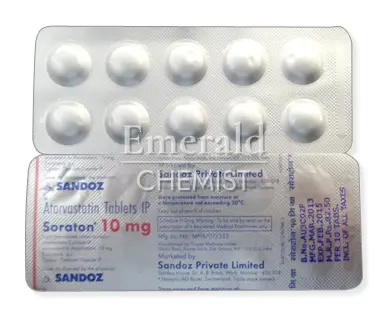
Several different classes of medications are represented in this category. Statins are the most widely used and include well‑known agents such as atorvastatin (Lipitor), rosuvastatin (Crestor) and simvastatin (Zocor). Fibrate agents used mainly to lower triglycerides include fenofibrate (Tricor) and gemfibrozil (Lopid). There are also cholesterol absorption inhibitors like ezetimibe (Zetia) and other, less commonly encountered classes that may appear as combination products or specialized therapies. Products differ by mechanism, potency and typical clinical use.
How these medicines are used varies by the individual and the specific drug. Many treatments are taken once daily in tablet form, and clinicians often monitor effectiveness with periodic blood lipid panels to assess response. Some people may start on a lower dose that is adjusted over time, while others may combine two agents when a single medicine does not achieve target lipid levels. The time to measurable change can range from a few weeks to several months, depending on the drug and the outcome being measured.
General safety considerations relate to possible side effects and interactions. Commonly reported issues with cholesterol medicines include muscle aches, digestive upset and changes in liver enzyme tests; rare but serious adverse events have been associated with particular agents. Some products can interact with other prescription drugs, over‑the‑counter remedies or certain foods, and certain treatments are not appropriate for pregnant people. Information on contraindications, routine monitoring and potential interactions is part of safe use of these medicines.
When people compare products in this category they often look at a combination of factors: the expected degree of LDL or triglyceride reduction, known tolerability and side‑effect profiles, dosing convenience, and whether a generic version is available. Some users also pay attention to whether a medication is commonly used for primary prevention or for more aggressive secondary prevention after a cardiac event, or whether it can be paired safely with other therapies. Clear labeling, reliable supply and access to monitoring information are typical practical concerns when selecting a cholesterol medicine.