📞  — free, 24/7
— free, 24/7 — free, 24/7Products and medications for men's health cover sexual wellness and performance, prostate and urinary care, hormone and testosterone support, hair loss treatments, and fertility aids, plus supplements and topical or prescription options for male-specific conditions.
Products and medications for men's health cover sexual wellness and performance, prostate and urinary care, hormone and testosterone support, hair loss treatments, and fertility aids, plus supplements and topical or prescription options for male-specific conditions.
Men's Health covers medicines and treatments that address conditions common to adult men, including sexual function, reproductive hormones, prostate-related urinary symptoms, and hair loss. The products in this area range from short‑acting oral tablets to topical hormone preparations and medications intended for longer‑term management. This category is focused on therapies that affect libido, erectile performance, hormonal balance and urinary flow, and is intended to help users find options relevant to those concerns in a neutral, factual way.
Common reasons people look in this category include difficulty achieving or maintaining an erection, concerns about premature ejaculation, symptoms of an enlarged prostate such as weak stream or nighttime urination, signs of low testosterone, and progressive male-pattern hair loss. Treatments are selected according to the nature and severity of symptoms, whether a short-acting, on-demand effect is preferred, or whether an ongoing, maintenance approach is required for conditions like hair thinning or hormone replacement.
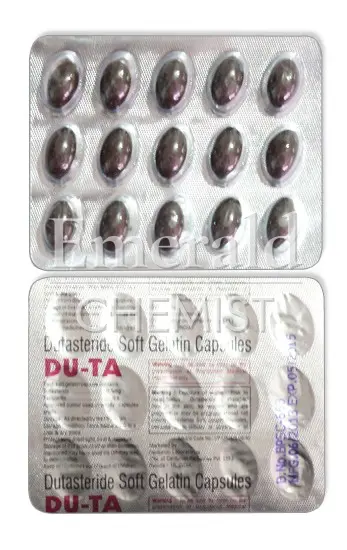
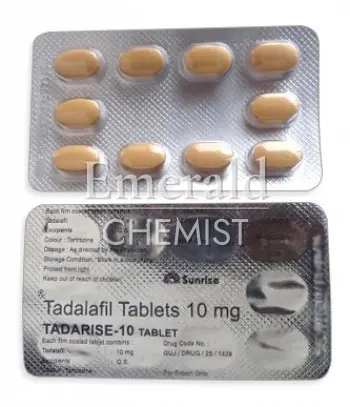
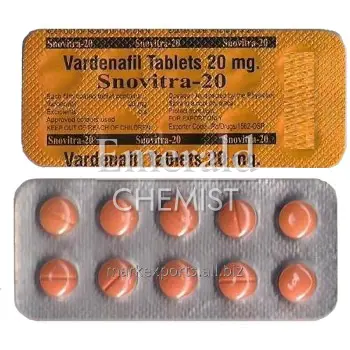
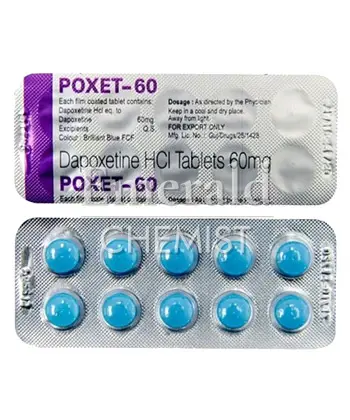
The medications here belong to a few recognizable groups. Phosphodiesterase type 5 (PDE5) inhibitors are widely used for erectile dysfunction and include well-known names such as sildenafil (commonly associated with Viagra), tadalafil (Cialis), vardenafil (Levitra) and avanafil (Stendra), with some formulations marketed for fast onset or longer duration. Selective serotonin reuptake agents developed for premature ejaculation, for example dapoxetine (Priligy), also appear in this space, sometimes as part of combination products. Hormone therapies and blockers such as topical testosterone gels (e.g., AndroGel), 5‑alpha reductase inhibitors used for hair loss or prostate shrinkage (finasteride, marketed as Propecia/Proscar; dutasteride, Avodart), and alpha-blockers for urinary symptoms (tamsulosin, sold as Flomax) are typical examples.
Formulation and dosing patterns differ between products: some oral medicines are taken as needed prior to sexual activity, others are prescribed for daily use to maintain steady levels, and topical gels or sprays are applied regularly to achieve hormonal replacement. For conditions like benign prostatic hyperplasia or male-pattern hair loss, treatments are often intended for longer-term administration to sustain benefits, whereas medicines for acute erectile difficulty or premature ejaculation are frequently used on an as-needed basis. Combination preparations that pair drugs with complementary actions are also available in some markets.
All medicines have effects and possible adverse reactions that vary by class. Commonly reported issues with sexual function therapies include headache, flushing, digestive upset, changes in blood pressure and altered visual sensitivity, while hormonal agents may affect mood, skin condition, or reproductive parameters. Interactions with other medications and underlying health issues can influence which options are appropriate and how they are monitored. Product information and official prescribing details describe the typical safety considerations and expected side effects for each compound.
When choosing among options, people typically weigh onset time and duration, route of administration (oral tablet versus topical gel or spray), the intended pattern of use (occasional versus daily), side-effect profiles, and whether a product addresses more than one issue at once. Practical considerations such as ease of use, the need for ongoing treatment, potential interactions with other medicines a person is taking, and the goals of therapy—immediate symptom relief versus long-term management—are common factors that guide selection. Descriptions of individual medicines in this category focus on their typical uses and formulation characteristics to help users make informed comparisons.