📞  — free, 24/7
— free, 24/7 — free, 24/7Products for daily skin health and targeted concerns: cleansers, moisturizers, sunscreens, serums, acne treatments, anti-aging and sensitive-skin formulas, eye care and body lotions, plus exfoliants and masks to support hydration, barrier repair and sun protection.
Products for daily skin health and targeted concerns: cleansers, moisturizers, sunscreens, serums, acne treatments, anti-aging and sensitive-skin formulas, eye care and body lotions, plus exfoliants and masks to support hydration, barrier repair and sun protection.
Skincare covers a wide range of medicinal products intended to treat or manage conditions affecting the skin, hair and nails. Items in this category are primarily formulated for topical application but also include some oral medicines and light-sensitizing agents used under supervision. The aim of these products is to reduce inflammation, control infection, normalize skin cell turnover, remove abnormal tissue or alter skin appearance for therapeutic purposes rather than cosmetic only.
Common use cases include acne and oily skin, inflammatory conditions such as eczema and psoriasis, fungal and bacterial infections, precancerous or sun-damaged lesions, unwanted hair growth or unwanted skin growths like warts. There are also treatments for infestations, pigmentary disorders and severe, widespread inflammatory disease that require systemic therapy. Each condition has medicines tailored to the underlying mechanism—antimicrobials for infection, keratolytics and retinoids for abnormal cell turnover, and anti-inflammatories for redness and itching.
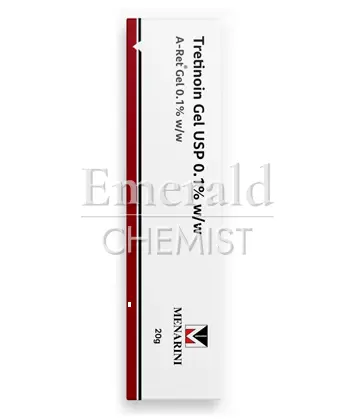
Several well-known active ingredients and preparations frequently appear in this group. Topical retinoids (for example, tretinoin and adapalene) are widely used for acne and cell turnover; azelaic acid and benzoyl peroxide formulations address inflammatory and noninflammatory lesions; topical corticosteroids of varying strengths are used to reduce inflammation; topical calcineurin inhibitors serve as non-steroidal anti-inflammatory options; antifungal creams and oral agents treat fungal infections; antiparasitic and wart treatments target specific organisms or lesions. Other notable agents include topical fluorouracil for certain precancerous lesions, methoxsalen used in phototherapy protocols, and eflornithine for reduction of unwanted facial hair.
Products in this category come in many formulations tailored to the site and nature of the problem: creams and lotions for larger or moist areas, ointments for dry or thickened skin, gels for oily skin or hair-bearing areas, solutions and foams for scalp or localized lesions, and oral capsules or tablets when systemic action is required. Some medicines are applied once daily, others more frequently, and a subset are intended for short courses while others are used intermittently or long-term. Vehicle choice and concentration influence both effectiveness and skin tolerance.
General safety considerations include the potential for local irritation, allergic reactions, thinning of the skin with prolonged potent steroid use, photosensitivity with retinoids and certain light-sensitizing drugs, and systemic absorption when large areas are treated or occlusion is used. Interactions with other topical or systemic treatments are possible, and some agents are not recommended during pregnancy or breast-feeding. Product leaflets and professional guidance provide specific precautions and contraindications relevant to each medicine and patient situation.
When selecting a medicine, people commonly look for the active ingredient and its strength, the formulation that matches their skin type and affected area, expected onset of effect, known side effect profile and whether the product targets the underlying cause or only symptoms. Practical considerations include ease of application, tolerability for sensitive skin, and whether ongoing maintenance treatment is needed. Clear information about purpose and common reactions helps users make informed choices and set realistic expectations about outcomes and timelines.