📞  — free, 24/7
 — free, 24/7| Package | Price per Dose | Price | |
|---|---|---|---|
| 360 pills | €1.21 | €483.05 €434.75 Free shipping | |
| 240 pills | €1.33 | €354.01 €318.61 Free shipping | |
| 180 pills | €1.41 | €282.88 €254.59 Free shipping | |
| 120 pills | €1.49 | €198.50 €178.65 | |
| 90 pills | €1.67 | €167.07 €150.36 | |
| 60 pills | €1.97 | €130.68 €117.61 | |
| 30 pills | €2.23 | €74.43 €66.99 | |
| 360 pills | €1.85 | €737.82 €664.04 Free shipping | |
| 240 pills | €1.91 | €507.87 €457.08 Free shipping | |
| 180 pills | €2.01 | €401.99 €361.79 Free shipping | |
| 120 pills | €2.25 | €299.42 €269.48 Free shipping | |
| 90 pills | €2.40 | €239.86 €215.88 Free shipping | |
| 60 pills | €2.61 | €173.69 €156.32 | |
| 30 pills | €2.98 | €99.24 €89.32 | |
| 10 pills | €3.57 | €39.69 €35.72 |
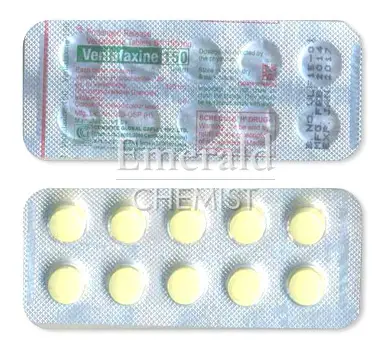
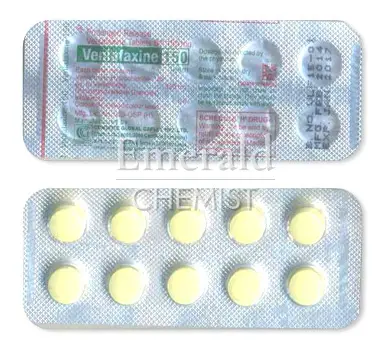
Venlafaxine is a serotonin-norepinephrine reuptake inhibitor (SNRI). It works by increasing the brain chemicals serotonin and norepinephrine through reuptake inhibition, and it is primarily prescribed for major depressive disorder and several anxiety conditions.
Venlafaxine is an antidepressant taken by mouth. It is available as immediate-release tablets and extended-release capsules, with the latter typically designed for once-daily dosing. A clinician will determine the form and dose based on the condition being treated and how you respond to therapy.
In the brain, venlafaxine blocks the reuptake of two key neurotransmitters, serotonin and norepinephrine, which can help improve mood, energy, and anxiety symptoms. Full therapeutic benefit may take several weeks, and dizziness or nausea can occur early in treatment as the body adjusts.
Because venlafaxine is a prescription medication, its use and any dose changes should be guided by a healthcare professional who can monitor effects and safety. Dosing is tailored to the individual and may be adjusted gradually to minimize side effects.
Venlafaxine is approved for major depressive disorder, helping to relieve persistent low mood, loss of interest, and related symptoms. It is also used to address anxiety-related conditions by reducing excessive worry and physical tension.
Specifically, many adults take venlafaxine for generalized anxiety disorder, social anxiety disorder, and panic disorder. In these conditions, the medication aims to lessen anxious thoughts and physical symptoms such as rapid heart rate or shaking.
Doctors may discuss venlafaxine as part of a broader treatment plan, especially when mood and anxiety symptoms occur together. Its use for other conditions is decided case by case, balancing potential benefits with possible risks.
Dosing and formulation guidance varies. Immediate-release forms may be taken in divided doses across the day, while extended-release capsules are typically taken once daily. Always follow your clinician’s exact instructions and the label directions. Do not alter dose on your own without medical advice.
Timing and meals matter for consistency. The extended-release form is usually taken once daily, at the same time each day, with or without food. Do not crush or chew XR capsules, as doing so can release the drug too quickly. If you miss a dose, take it as soon as you remember unless it is near the time of your next dose; if so, skip the missed dose and resume your regular schedule. Do not double up to make up for a missed dose.
Storage matters for safety and drug effectiveness. Keep venlafaxine in its original container, at room temperature, away from moisture and heat. Protect it from light and keep it out of reach of children and pets. Do not use medication that is expired or has changed appearance without checking with a pharmacist or doctor.
Common side effects include nausea, dry mouth, yawning or sweating, dizziness, headaches, and insomnia or sleepiness. Some people notice a decrease in appetite or minor weight changes during early treatment. Sexual side effects, such as delayed arousal or trouble reaching orgasm, can occur for some users.
Some people experience elevated blood pressure, fast heartbeat, or increased anxiety when starting therapy. If side effects become troublesome or do not improve after a few weeks, contact your clinician to discuss options, which may include dose adjustments or changing medications.
Withdrawal symptoms can appear if venlafaxine is stopped abruptly, especially after long use. Symptoms may include dizziness, headaches, irritability, fatigue, flu-like feelings, or upset stomach. Avoid stopping suddenly; a clinician can guide a gradual taper. Also limit or monitor alcohol and other sedatives, as interactions can raise side effects or risks. Seek urgent care if you notice signs of severe reactions, such as severe chest pain, confusion, high fever, or signs of serotonin syndrome (agitation, tremor, sweating, rapid heart rate).
If mood or anxiety symptoms do not improve after several weeks, or if side effects become burdensome, speak with a healthcare provider. They can adjust the dose, switch formulations, or explore alternative treatments.
Discuss safety with your clinician if you are pregnant, planning pregnancy, or breastfeeding. Also share all health conditions you have (heart disease, high blood pressure, liver or kidney issues, glaucoma, or a history of bipolar disorder) and every medication you take, including supplements and over-the-counter drugs, to avoid potential interactions.
If you have thoughts of harming yourself, experience severe signs of an allergic reaction, or notice symptoms suggesting serotonin syndrome (such as high fever, confusion, muscle rigidity, or seizures), seek urgent medical attention. A plan for stopping venlafaxine should be made with a clinician to minimize withdrawal risks.
14–21 days. Free from €179.39 .
5–9 days. €26.91
−10% when paying with cryptocurrency.
−10% on all repeat orders.
All orders are packed in neutral, unbranded boxes with no product name on the outside.