📞  — free, 24/7
— free, 24/7 — free, 24/7Help to quit smoking: nicotine replacement therapies (patches, gum, lozenges), prescription medicines such as varenicline and bupropion, nicotine inhalers and nasal sprays, plus behavioural supports, quit aids and resources to manage cravings and withdrawal.
Help to quit smoking: nicotine replacement therapies (patches, gum, lozenges), prescription medicines such as varenicline and bupropion, nicotine inhalers and nasal sprays, plus behavioural supports, quit aids and resources to manage cravings and withdrawal.
Medications for smoking cessation are products intended to help people reduce dependence on nicotine and stop combustible tobacco use. They target the physical and chemical components of nicotine addiction, lessen withdrawal symptoms and decrease the intensity of cravings that commonly arise when someone attempts to quit. These therapies are used as part of a broader approach to stopping smoking, which often includes behavioral strategies and support programs to address the habitual and psychological aspects of tobacco use.
Common use cases include helping long-term smokers make a complete quit attempt, managing withdrawal during a planned reduction in cigarette use, and preventing relapse after an initial quit attempt. Some people use pharmacological aids during a fixed period to stabilize cravings and withdrawal, while others incorporate short courses when trying to overcome particularly high-risk triggers. Use patterns vary widely; some products are applied daily, others are used on an as-needed basis to control acute cravings.
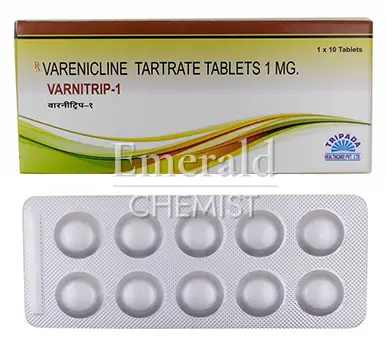
The category contains two broad groups of products: nicotine replacement therapies (NRT) and prescription non-nicotine medications. NRT comes in several over-the-counter forms such as patches, gum and lozenges, and in prescription or pharmacy-sold forms like inhalers and nasal sprays in some regions. Prescription non-nicotine options include medications that act on brain pathways involved in addiction; examples that are widely recognized include varenicline and bupropion, the latter sometimes available under trade names such as Wellbutrin or Zyban in certain markets. These medications have different mechanisms and delivery methods, and they are selected according to individual needs and regulatory availability.
How these medicines are typically used depends on the product and on personal circumstances. Transdermal patches deliver a steady baseline level of nicotine, while gum, lozenges or inhalers provide intermittent relief for breakthrough cravings. Oral prescription tablets are usually taken on a regular schedule as described in their product information. Many people combine approaches — for example, using a patch for baseline support together with gum or lozenges for acute cravings — although practices differ and product labeling and professional guidance outline recommended combinations and timing.
General safety considerations include the possibility of side effects, interactions with other medications, and differing suitability for people with certain health conditions. Commonly reported effects vary by product class and can include gastrointestinal symptoms, sleep disturbances or changes in mood for some oral medications, and local irritation with some inhaled or nasal products. Nicotine-containing products introduce nicotine into the body by alternative routes and therefore carry considerations distinct from stopping tobacco altogether. Suitability depends on individual health history, current medications and life stage, and detailed safety information is provided in product labeling and regulatory guidance.
When choosing among smoking cessation products, people typically weigh factors such as whether a product requires a prescription, the preferred form of delivery (patch, gum, lozenge, inhaler or tablet), expected side-effect profiles and the practical aspects of use during daily life. Availability, duration of intended use, and compatibility with other ongoing therapies also influence selection. Many users look for options that match their smoking patterns and daily routines, and those seeking additional support often combine pharmacological aids with counseling, quitlines or structured programs to address behavioral triggers and coping strategies.