📞  — free, 24/7
— free, 24/7 — free, 24/7Products for preventing and treating hair thinning and loss, covering topical treatments (minoxidil), oral medications, medicated shampoos, scalp serums, supplements and low-level laser devices. Includes options for male and female pattern hair loss, shedding and scalp health.
Products for preventing and treating hair thinning and loss, covering topical treatments (minoxidil), oral medications, medicated shampoos, scalp serums, supplements and low-level laser devices. Includes options for male and female pattern hair loss, shedding and scalp health.
Medications categorized under "Hair Loss" are products intended to address excessive hair shedding, thinning hair and the gradual pattern hair loss that affects the scalp. They target different causes and stages of hair loss, from early thinning to more advanced balding. While some treatments are designed to slow further hair loss, others aim to stimulate regrowth or improve hair density; choosing between them depends on the underlying cause, the area affected and individual response to therapy.
Common use cases include androgenetic alopecia (often called male- or female-pattern hair loss), diffuse thinning related to hormonal changes, and hair loss following medical treatments or physical stress. In people with pattern hair loss, medications are used both to reduce the impact of hormones that shrink hair follicles and to encourage follicles to produce thicker, longer hairs. Response times vary, and many users evaluate effectiveness only after several months of regular use.
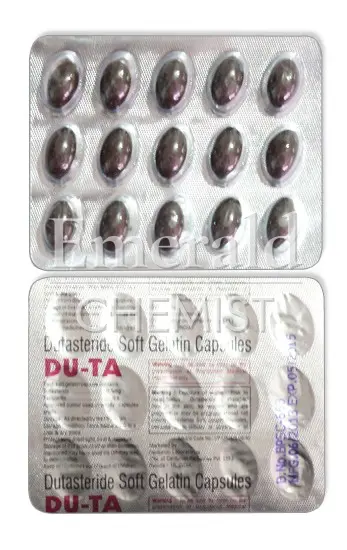
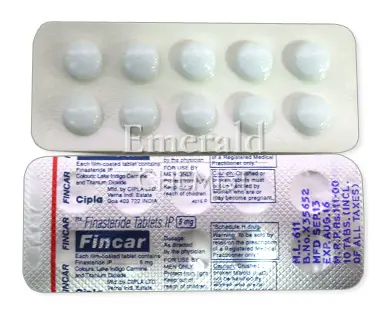
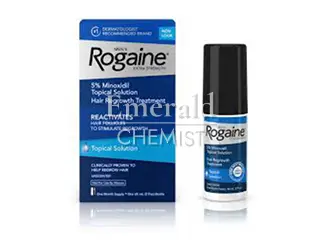
The category contains several different classes of products. One major group is oral 5-alpha-reductase inhibitors, which lower levels of dihydrotestosterone (DHT) that can contribute to follicle miniaturization; examples include finasteride formulations (sold under names such as Propecia, Finpecia or Fincar) and dutasteride preparations (sometimes listed under names like Avodart or Dutas). Topical vasodilators and stimulants are another group, with minoxidil available as topical solutions or foams (commonly recognized under names such as Rogaine) to promote local scalp blood flow and encourage growth. Some users combine oral and topical agents or use adjunctive topical therapies to address scalp health and support hair density.
Safety and tolerability vary across products. Oral DHT inhibitors can carry systemic effects and are associated with potential sexual side effects in a minority of users; they also have specific precautions related to pregnancy and handling. Topical treatments may cause scalp irritation, unwanted facial hair growth if applied improperly, or local allergic reactions. Interactions with other medicines and preexisting conditions can influence suitability, and product labels typically list contraindications and safety information that are relevant for individual risk assessment.
When choosing a medication, consumers commonly weigh effectiveness evidence, route of administration (oral pill versus topical solution or foam), expected time to visible results, and the side effect profile. Regulatory approvals, whether a product is available over the counter or requires a prescription, and the practicalities of daily application or long-term adherence are also important considerations. Many shoppers compare formulations marketed for men versus women because dosing and safety considerations can differ between sexes.
Practical expectations are an important part of selection: many treatments are most effective when started early, and sustained use is often needed to preserve gains in hair density. Packaging and formulation—such as alcohol-based versus foam vehicles for topical products—can influence comfort and scalp tolerability. Product information and the experience of other users can help clarify differences among options, while official prescribing information spells out approved indications and documented effects for each medicine.