📞  — free, 24/7
— free, 24/7 — free, 24/7| Package | Price per Dose | Price | |
|---|---|---|---|
| 360 pills | €0.46 | €206.46 €165.17 | |
| 240 pills | €0.50 | €151.15 €120.92 | |
| 180 pills | €0.53 | €119.81 €95.85 | |
| 120 pills | €0.58 | €86.63 €69.30 | |
| 90 pills | €0.62 | €70.04 €56.03 | |
| 60 pills | €0.63 | €46.07 €36.86 | |
| 30 pills | €0.68 | €25.79 €20.63 | |
| 360 pills | €0.63 | €285.73 €228.58 Free shipping | |
| 240 pills | €0.66 | €199.08 €159.27 | |
| 180 pills | €0.71 | €158.53 €126.82 | |
| 120 pills | €0.78 | €117.97 €94.37 | |
| 90 pills | €0.84 | €94.00 €75.20 | |
| 60 pills | €0.91 | €68.19 €54.55 | |
| 30 pills | €0.97 | €36.85 €29.48 | |
| 360 pills | €1.02 | €457.18 €365.74 Free shipping | |
| 240 pills | €1.05 | €313.38 €250.71 Free shipping | |
| 180 pills | €1.11 | €248.86 €199.09 Free shipping | |
| 120 pills | €1.18 | €176.96 €141.57 | |
| 90 pills | €1.24 | €140.09 €112.07 | |
| 60 pills | €1.30 | €97.69 €78.15 | |
| 30 pills | €1.47 | €55.29 €44.23 |
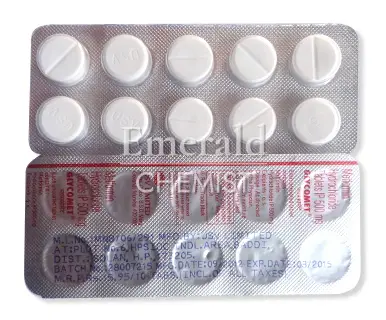
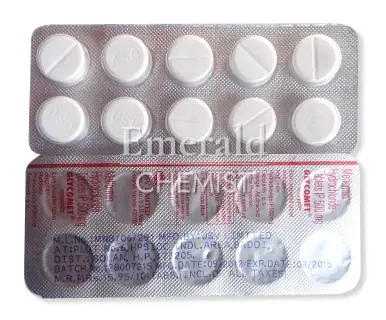
What is metformin, and how does it help manage type 2 diabetes and related metabolic disorders? Metformin is a first‑line, oral antihyperglycemic agent in the biguanide class. It reduces hepatic glucose production, improves insulin sensitivity in muscle and adipose tissue, and slightly decreases intestinal glucose absorption. Unlike insulin secretagogues, metformin does not increase insulin release, so the risk of hypoglycemia is low when used as monotherapy. It may also modestly aid weight management and lipid profiles, contributing to overall metabolic stabilization in many patients.
Metformin is available in immediate‑release and extended‑release formulations, enabling flexible dosing with meals to mitigate gastrointestinal effects. The pharmacologic goal is to lower fasting and postprandial glucose without provoking hypoglycemia in the fasting state. Common starting regimens employ small daily doses with gradual titration to a target range of 1,500–2,000 mg per day for immediate release or 2,000–2,500 mg per day for extended release, depending on tolerance and renal function. The agent is primarily renally excreted, making renal status a central consideration in initiation and maintenance.
Mechanistically, metformin activates AMP‑activated protein kinase activity and reduces hepatic gluconeogenesis, thereby lowering endogenous glucose output. Peripherally, it enhances insulin‑mediated uptake of glucose in skeletal muscle and adipose tissue. It also reduces intestinal absorption of glucose, which can contribute to postprandial glucose lowering. The hepatic and metabolic effects collectively improve glycemic control while preserving pancreatic beta‑cell function to a limited extent. The safety profile includes a low intraindividual risk of hypoglycemia when used alone and a well‑characterized adverse‑event spectrum dominated by gastrointestinal symptoms in the initial weeks of therapy.
Historically, other biguanides such as phenformin and buformin were used in diabetes management but were withdrawn from many markets due to a significantly higher risk of lactic acidosis, particularly in settings of renal impairment or hypoxia. Metformin remains the sole widely used, approved biguanide with an established safety record when appropriately dosed and monitored. In contrast to historical agents, metformin offers a favorable weight and lipid profile impact and a lower risk of hypoglycemia when used alone. The distinction hinges on safety margins, patient comorbidity, and tolerability in routine practice.
Within therapy practice, metformin also contrasts with non‑biguanide agents in terms of mechanism, hypoglycemia risk, and renal considerations. Immediate‑release and extended‑release metformin differ mainly in tolerability and GI symptoms, with ER formulations generally better suited for patients with GI sensitivity. When selecting a regimens, clinicians weigh renal function, cardiovascular risk, and potential interactions with other therapies to optimize outcomes while minimizing adverse effects.
The principal indication for metformin is type 2 diabetes mellitus, as either initial monotherapy or combination therapy with other antidiabetic agents. In many patients, metformin reduces HbA1c by approximately 1–2 percentage points and can be used alongside lifestyle modification to improve glycemic targets. It is often favored in overweight or obese patients due to a tendency toward neutral or modest weight loss and favorable cardiovascular risk considerations.
Beyond T2DM, metformin is used off label for polycystic ovary syndrome (PCOS) to improve insulin sensitivity and ovulatory function, with potential benefits in metabolic parameters and cycle regularity. Additional indications and emerging evidence address gestational diabetes and prediabetes risk reduction in high‑risk populations, where metformin may be considered as part of a broader prevention strategy under physician supervision. In all uses, treatment plans should account for renal function, comorbidity, and patient tolerability.
Metformin contrasts with agents in other antidiabetic classes in several key aspects: mechanism of action, risk of hypoglycemia, weight effects, and renal considerations. The following tabular comparison highlights the principal distinctions among metformin, a representative sulfonylurea, and a representative SGLT2 inhibitor.
| Medication | Drug class | Primary mechanism | Notable differences |
|---|---|---|---|
| Metformin | Biguanide | Decreases hepatic glucose production; increases peripheral insulin sensitivity; reduces intestinal glucose absorption | Low risk of hypoglycemia when used alone; weight neutral or loss; contraindicated or dose‑reduced with reduced renal function; lactic acidosis risk in select states |
| Glipizide | Sulfonylurea | Stimulates pancreatic beta‑cells to release insulin | Higher risk of hypoglycemia; potential weight gain; not ideal with advanced renal impairment; no lactic acidosis signal as a class effect |
| Empagliflozin | SGLT2 inhibitor | Inhibits renal glucose reabsorption, increasing urinary glucose excretion | Weight loss and blood pressure reduction commonly observed; risk of genital infections and ketoacidosis; renal function dependent; diuresis effects |
These differences inform individualized therapy, balancing efficacy with safety considerations such as renal function, infection risk, electrolyte status, and patient preferences regarding weight changes and tolerability.
Metformin is generally well tolerated, with the most common adverse effects being gastrointestinal, including nausea, diarrhea, and abdominal discomfort, especially during initiation. Tolerability often improves with gradual dose titration and, where appropriate, with extended‑release formulations. Long‑term use may modestly affect vitamin B12 absorption, warranting periodic monitoring if therapy extends over several years.
Important safety considerations include renal function assessment before initiation and during ongoing therapy. A contraindication or dose adjustment is indicated for eGFR values below established thresholds, and metformin may need to be temporarily withheld in settings of acute illness, dehydration, or procedures involving iodinated contrast due to concerns about lactic acidosis risk. Although rare, lactic acidosis is life‑threatening and requires immediate medical attention; risk is heightened with significant renal, hepatic, or cardiopulmonary compromise, sepsis, or hypoxic states. Pregnancy and lactation should be discussed with a clinician, as with any pharmacologic therapy.
14–21 days. Free from €177.69 .
5–9 days. €26.65
−10% when paying with cryptocurrency.
−10% on all repeat orders.
All orders are packed in neutral, unbranded boxes with no product name on the outside.