📞  — free, 24/7
— free, 24/7 — free, 24/7| Package | Price per Dose | Price | |
|---|---|---|---|
| 120 pills | €1.35 | €180.19 €162.17 | |
| 90 pills | €1.41 | €142.17 €127.95 | |
| 60 pills | €1.46 | €97.53 €87.78 | |
| 30 pills | €1.55 | €51.24 €46.11 | |
| 270 pills | €1.32 | €396.78 €357.10 Free shipping | |
| 240 pills | €1.35 | €360.40 €324.36 Free shipping | |
| 120 pills | €1.59 | €211.61 €190.45 Free shipping | |
| 90 pills | €1.85 | €185.15 €166.64 | |
| 60 pills | €1.93 | €128.94 €116.05 | |
| 30 pills | €2.02 | €67.77 €60.99 |
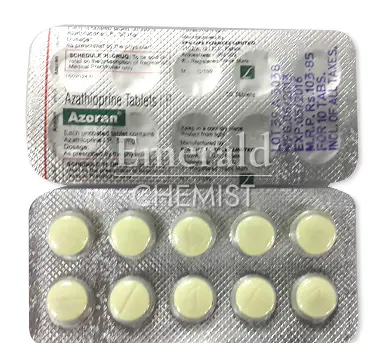
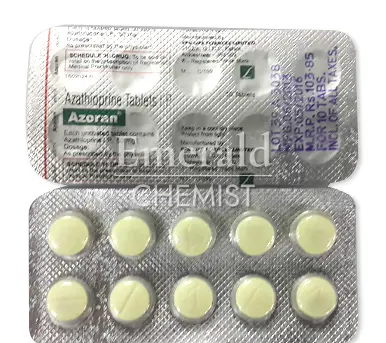
Azathioprine is an immunosuppressive medicine used to protect transplanted organs and to treat autoimmune diseases. It acts as a prodrug that is converted inside the body to 6-mercaptopurine, which then disrupts the production of DNA in rapidly dividing cells. In online pharmacies this drug is listed as prescription-only and should be used under medical supervision to balance benefits with possible risks. Users should understand it is not an over‑the‑counter remedy and must be prescribed by a clinician who reviews medical history, blood counts, and liver function before and during therapy.
Azathioprine is prescribed for conditions such as Crohn’s disease, ulcerative colitis, rheumatoid arthritis, systemic lupus erythematosus, granulomatosis with polyangiitis, and certain skin disorders when other medicines have not provided adequate control. It may be used alone or with corticosteroids or other immune therapies to reduce inflammation and prevent disease flares. In transplantation, it helps prevent rejection when combined with other agents, allowing lower doses of steroids in some patients. Response can vary, so clinicians tailor the plan to each person.
How much azathioprine you take is decided by your doctor based on weight, disease, and how your body handles the drug. Typical autoimmune disease doses range from 1 to 3 mg per kilogram of body weight per day, while transplant protocols may use 3 to 5 mg/kg daily. Tablets are swallowed with water, with or without food, as instructed. Do not adjust the dose or stop the medicine without medical advice, and report any signs of infection or unusual bruising promptly. TPMT status and metabolic factors may influence dosing; your clinician will consider these in planning a safe regimen.
Azathioprine lowers immune activity gradually. You may not notice full benefits for several weeks to months. When the drug works well, it can reduce disease activity, lessen the need for steroids, and help maintain remission. It is important to have ongoing follow-up visits to assess response, adjust dose if needed, and monitor for side effects. Because the effect is gradual, patients should maintain open communication with their healthcare team about symptoms and quality of life changes.
Many people tolerate azathioprine, but side effects can occur. Common issues include nausea, upset stomach, loss of appetite, fatigue, and mild fever. The medicine can suppress bone marrow, lowering white blood cell and platelet counts and increasing infection or bleeding risk. Liver enzymes may rise, and rare but serious problems such as pancreatitis or significant liver injury can happen. Long-term use may slightly raise cancer risk. Some individuals with TPMT enzyme deficiency are at higher risk for toxicity, making monitoring essential.
Tell your clinician about all medicines you take, including supplements. Live vaccines should be avoided during treatment. Drugs that further suppress the immune system can increase infection risk when used with azathioprine. Allopurinol can raise levels of active metabolites and toxicity. Alcohol should be discussed with your doctor, as it can stress the liver. Stay vigilant for signs of infection, unusual bruising, or persistent abdominal pain, and contact a clinician if these occur.
Azathioprine is generally avoided during active infections or significant liver disease. Pregnancy and breastfeeding require careful planning and medical supervision, as the drug can affect fetal development and may be transmitted in breast milk. People with a history of bone marrow problems, certain blood disorders, or known TPMT deficiency require special care and possibly alternative treatments. A clinician will weigh risks and benefits before starting therapy in these groups.
In many regions azathioprine is a prescription medicine. Online pharmacies can provide information and help arrange supply, but you should only obtain it after a clinician has discussed risks, benefits, and monitoring needs with you. Always follow the prescription directions, store the medicine as advised, and check the label for dose, timing, and expiration. Report any adverse effects promptly to your healthcare provider or pharmacist.
Azathioprine can be a powerful option to control autoimmune inflammation and protect transplanted organs when used correctly. It requires careful dosing, regular blood and liver monitoring, and clear communication with your healthcare team to balance benefits with risks. With proper oversight, many people achieve meaningful disease control and a better quality of life.
14–21 days. Free from €179.27 .
5–9 days. €26.89
−10% when paying with cryptocurrency.
−10% on all repeat orders.
All orders are packed in neutral, unbranded boxes with no product name on the outside.