📞  — free, 24/7
— free, 24/7 — free, 24/7Medications and products for managing acute and chronic pain: oral analgesics such as acetaminophen and NSAIDs, topical creams, gels and patches, muscle rubs and topical anesthetics, plus non-drug aids like heat/cold packs and support braces for targeted relief.
Medications and products for managing acute and chronic pain: oral analgesics such as acetaminophen and NSAIDs, topical creams, gels and patches, muscle rubs and topical anesthetics, plus non-drug aids like heat/cold packs and support braces for targeted relief.
Pain relief covers a broad set of medicines intended to reduce discomfort, ease inflammation, or calm nerve-related sensations. Some products target temporary, mild aches while others are designed for chronic or severe pain associated with conditions such as arthritis, injury, surgery recovery, migraine, or neuropathy. The category brings together over-the-counter options and prescription therapies that work by different mechanisms to change how the body senses and responds to pain.
Common use cases range from short-term relief of headaches, toothaches and muscle strains to longer-term management of joint inflammation and nerve pain. Migraine-specific agents are used for episodic, often intense headaches, while nonsteroidal anti-inflammatory drugs are frequently chosen for pain that involves swelling. Certain medicines are formulated to act quickly for acute flare-ups, whereas others are extended‑release to provide steadier control over many hours.
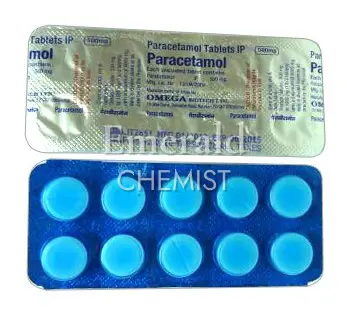
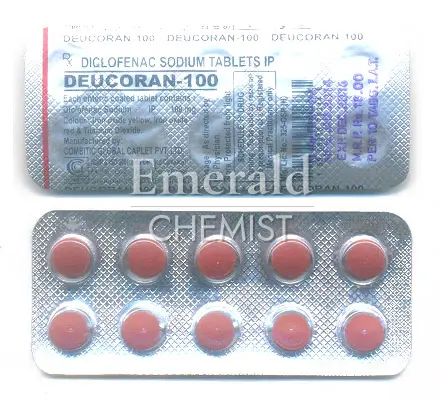
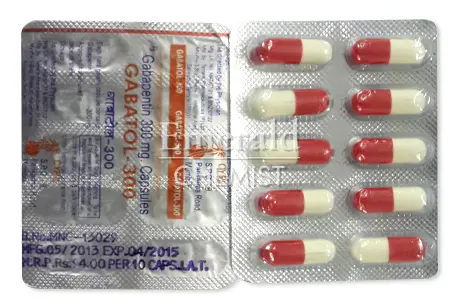
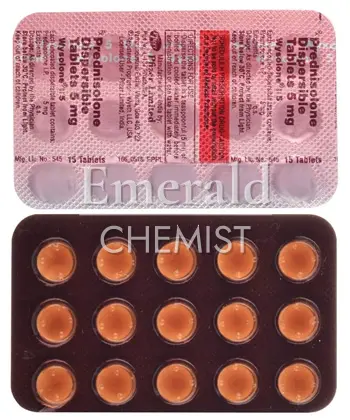
Types of medications found here include analgesics and antipyretics such as paracetamol (often sold as panadol), a variety of nonsteroidal anti-inflammatory drugs (NSAIDs) like ibuprofen, naproxen formulations (seen in anaprox, naprelan or naprosyn) and diclofenac products (voltaren/voltarol). There are also migraine-specific triptans such as sumatriptan (imitrex), rizatriptan (maxalt) and zolmitriptan (zomig), neuropathic pain agents like gabapentin (neurontin), muscle relaxants such as baclofen (lioresal) and tizanidine (zanaflex), and corticosteroids used for inflammatory control including dexamethasone (decadron) or methylprednisolone preparations (medrol active, prelone, orapred). Other items address specialized needs, for example phenazopyridine (pyridium) for urinary tract discomfort or medications affecting uric acid handling in gout like probenecid (benemid).
General safety considerations relate to how different classes carry distinct risk profiles. NSAIDs can be associated with gastrointestinal irritation, bleeding risk and may affect cardiovascular or kidney function in susceptible people; acetaminophen is generally well tolerated at recommended doses but has limits due to liver safety; some prescription agents can cause drowsiness or dizziness and may interact with other medicines. Corticosteroids can have systemic effects when used long term. Labels, patient information leaflets and product monographs provide details on contraindications, interactions and monitoring recommendations that relate to these risks.
Formulation and route of administration are important practical factors: oral tablets and capsules are common, but there are also topical gels and creams for localized pain and slow‑release formulations for around‑the‑clock control. Users often weigh the onset of action against duration, side effect likelihood, dosing convenience and whether a product is available without a prescription. For headache or migraine, rapid onset may be prioritized; for chronic joint pain, longer duration and tolerability may be more important.
When comparing options, people frequently consider what kind of pain is being treated (inflammatory, neuropathic, musculoskeletal or visceral), prior experience with a medicine, possible interactions with other drugs they are taking, and whether a product is intended for acute use or ongoing management. Packaging and informational inserts typically outline indications and safety notes so that individuals can match a product’s intended purpose and characteristics to their needs.