📞  — free, 24/7
— free, 24/7 — free, 24/7Medicines that replace, supplement or regulate hormones in the body, including thyroid, sex hormones (estrogen, progesterone, testosterone), insulin and adrenal therapies. Available in tablets, patches, gels, injections and topical forms under prescription guidance.
Medicines that replace, supplement or regulate hormones in the body, including thyroid, sex hormones (estrogen, progesterone, testosterone), insulin and adrenal therapies. Available in tablets, patches, gels, injections and topical forms under prescription guidance.
Hormones are chemical messengers that help regulate many body processes, and the medicines in this category are products that replace, mimic, block or modify hormonal activity. They include natural hormones and synthetic compounds used to restore balance in endocrine systems or to control symptoms that result from hormone excess or deficiency. This category groups treatments that act on thyroid, adrenal, pituitary and related pathways, as well as vitamin D analogues and other hormone-related agents.
Common uses for these medicines include replacing deficient hormones, suppressing overactive glands, reducing inflammation through steroid action, and adjusting metabolic rates. Thyroid preparations are used to correct low thyroid function; corticosteroids can be prescribed for inflammatory or immune-mediated conditions; mineralocorticoids support blood pressure and salt balance in adrenal insufficiency; pituitary-targeting drugs affect prolactin and other pituitary hormones. Use may be short-term for flare control or long-term for chronic endocrine conditions.
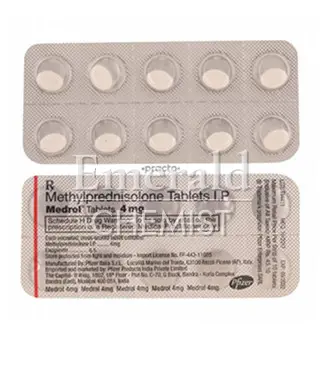
Typical medicines found in this category range across several classes. Thyroid hormone replacements such as levothyroxine (sold under names like Synthroid and Levothroid) and liothyronine (Cytomel) are common. Corticosteroids appear in oral and injectable forms, for example prednisolone and methylprednisolone (Medrol). Mineralocorticoids such as fludrocortisone (Florinef) and vitamin D analogues like alfacalcidol (alfacip) are also included, as are agents that act on pituitary function such as cabergoline (Dostinex). These examples reflect the variety of hormonal actions covered in the category.
Formulations vary widely: many hormone medicines are available as oral tablets, capsules, or liquid solutions, while others exist as injectables, topical creams or slow-release preparations. Dosing schedules may be once-daily or require more frequent administration depending on the drug’s half-life and clinical purpose. Some therapies are initiated at low doses and adjusted over time to reach an effective level; others are prescribed for a predetermined short course. Laboratory tests and clinical monitoring are commonly used in clinical practice to assess response and adjust treatment when necessary.
Safety considerations include potential side effects and interactions that differ between classes. Corticosteroids can cause effects such as changes in metabolism, mood, sleep and susceptibility to infection when used at higher doses or for prolonged periods; thyroid replacements affect energy level and cardiovascular function if not dosed appropriately; mineralocorticoids influence fluid and electrolyte balance. Certain medicines are contraindicated in some medical situations or require dose adjustments in pregnancy, kidney or liver impairment. Storage conditions, adherence to prescribed regimens, and awareness of common adverse effects are important aspects of safe use.
When choosing products within this category users often compare formulation type (tablet, liquid, injection), available strengths, and whether a product is marketed under a brand name or as a generic. Other considerations include the expected duration of therapy, ease of dosing, need for laboratory monitoring, and the product’s approved indications or labeling. Clear product information about active ingredients, dosage form and handling instructions helps consumers and caregivers select the option that aligns with clinical needs and practical preferences.