📞  — free, 24/7
— free, 24/7 — free, 24/7Medications used to prevent or treat viral infections. Includes prescription antiviral tablets, capsules, creams, inhalants and combination therapies for conditions like influenza, herpes, HIV, hepatitis, and COVID-19, plus prophylactic and post‑exposure options.
Medications used to prevent or treat viral infections. Includes prescription antiviral tablets, capsules, creams, inhalants and combination therapies for conditions like influenza, herpes, HIV, hepatitis, and COVID-19, plus prophylactic and post‑exposure options.
Antivirals are medicines designed to target viruses or the process by which viruses reproduce. Unlike antibiotics, which act on bacteria, antiviral drugs interfere with specific stages of a viral life cycle — for example blocking entry into cells, preventing viral genome replication, or inhibiting assembly of new viral particles. This category covers a wide range of products from topical creams for localized infections to systemic tablets and injectables intended to reduce the severity or duration of viral illness.
Common uses include treatment of respiratory viral infections such as influenza, management of herpes virus infections that cause cold sores, genital herpes and shingles, chronic viral hepatitis, and long‑term suppression of viruses such as HIV. Some antivirals are used short term to shorten the course of an acute illness, while others are prescribed for longer periods to control persistent infections or to reduce the risk of transmission. There are also antiviral options used in specific contexts such as post‑exposure prevention or seasonal prophylaxis in at‑risk populations.
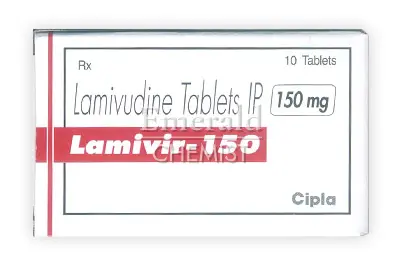
The medicines in this group fall into several therapeutic classes. Nucleoside or nucleotide analogues, exemplified by aciclovir and its prodrug valacyclovir, are commonly used against herpes viruses; topical formulations such as aciclovir cream 5% provide localized treatment. Neuraminidase inhibitors like oseltamivir are indicated for certain types of influenza. Polymerase inhibitors and mutagenesis agents, such as newer oral agents developed for emergent viral threats, act on viral replication machinery. Antiretroviral agents for HIV, and antivirals used in hepatitis care such as lamivudine or ribavirin formulations, represent additional subgroups found in this category.
Safety considerations vary between agents and depend on dose, route and duration of use. Side effects can range from mild, transient symptoms to more significant laboratory alterations or interactions with other medicines. Some antivirals require adjustments in people with impaired kidney or liver function, and resistance can develop with improper or prolonged use of certain drugs. Product labels, regulatory approvals and official prescribing information provide the specific warnings, contraindications and monitoring recommendations relevant to each medicine.
When choosing among antiviral medicines, users typically look at the target virus or condition, the proven effectiveness for that indication, the formulation (topical, oral, or injectable), dosing frequency and course length, and the side effect profile. Availability of generic versions, differences between immediate‑release and long‑acting formulations, and patient factors such as age or comorbidities also influence selection. For many viral conditions there are several therapeutic options, so balancing convenience and tolerability alongside clinical effectiveness is a common consideration.
Products in this category include well‑known agents historically and currently used for viral infections, from aciclovir and valacyclovir for herpes, to famciclovir, oseltamivir for influenza, and medications used in hepatitis or long‑term viral suppression. Some items are available in topical strength for surface infections, while others are oral or injectable systemic therapies. Regulatory status and prescription requirements differ by country and by specific medicine; packaged product information and official labeling describe approved uses, dosing and storage details for each antiviral offered.