📞  — free, 24/7
— free, 24/7 — free, 24/7| Package | Price per Dose | Price | |
|---|---|---|---|
| 360 pills | €0.74 | €335.67 €268.54 Free shipping | |
| 180 pills | €0.80 | €180.60 €144.48 | |
| 120 pills | €0.86 | €129.51 €103.61 | |
| 90 pills | €0.93 | €105.80 €84.64 | |
| 60 pills | €1.02 | €76.61 €61.29 | |
| 30 pills | €1.21 | €45.59 €36.47 | |
| 360 pills | €0.66 | €295.54 €236.43 Free shipping | |
| 180 pills | €0.76 | €171.48 €137.18 | |
| 120 pills | €0.80 | €120.39 €96.31 | |
| 90 pills | €0.85 | €94.85 €75.88 | |
| 60 pills | €0.88 | €65.66 €52.53 | |
| 30 pills | €1.02 | €38.29 €30.64 |
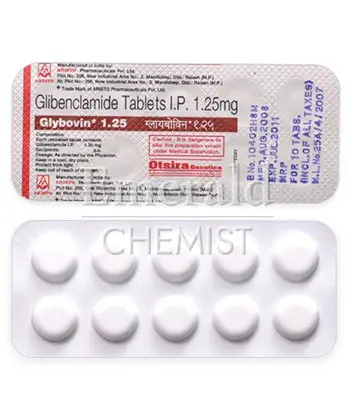
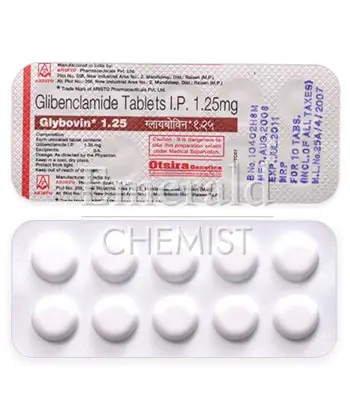
Glibenclamide, also known as glyburide in some regions, is a sulfonylurea medication used to improve blood sugar control in adults with type 2 diabetes. It is not a cure for diabetes and it is not suitable for type 1 diabetes. In online pharmacies, it is offered as a generic tablet in several strengths. The medicine should be part of a broader plan that includes diet, exercise, and regular monitoring of blood glucose. People take it under medical supervision, with adjustments based on response and tolerability.
Glibenclamide works by stimulating the beta cells in the pancreas to release more insulin. This helps lower blood sugar after meals and throughout the day. Its effect depends on the body's ability to produce insulin, so it may be less effective as type 2 diabetes progresses and insulin production falls. Always take it with meals to reduce the risk of stomach upset and to align with food intake. The medicine can be part of a regimen that also includes other glucose-lowering therapies when needed.
Generally, adults with type 2 diabetes who have not reached target control with diet, exercise, and possibly other medicines may be prescribed glibenclamide. It is usually not recommended during pregnancy; insulin is typically preferred for pregnant people with diabetes. It is not advised for children unless a clinician specifically prescribes it. People with kidney or liver problems may need adjustments or close monitoring. A clinician decides suitability based on medical history, other medications, and overall glucose control.
Follow the prescription label and the doctor's instructions. Common starting doses range from 1.25 to 5 mg once daily with breakfast and may be adjusted based on blood glucose response. If a dose is missed, skip it and resume the next day with the regular schedule. Do not double the dose to catch up. Take tablets with a meal to reduce low blood sugar risk. Regular self-testing helps keep glucose in target range and informs dose changes if needed.
The most common side effect is low blood sugar (hypoglycemia), which can cause dizziness, sweating, confusion, or fainting. People who skip meals, drink alcohol, or exercise a lot may be more at risk. Weight gain can occur. Some may notice upset stomach, headache, skin reactions, or mild hives. Rarely, liver problems or severe allergic reactions can occur. Seek medical advice if severe or persistent symptoms appear, or if symptoms of high blood sugar arise despite treatment.
Discuss all medicines with the pharmacist because glibenclamide can interact with other diabetes drugs, certain antibiotics, antifungal medicines, and some heart and blood pressure drugs. Alcohol can enhance the risk of hypoglycemia. Caution is advised in older adults who may be more sensitive to low glucose. Tell your clinician about all health conditions, including kidney or liver disease, thyroid issues, or unusual hunger or thirst, and about any herbal or over‑the‑counter products you use.
Store at room temperature away from moisture and heat. Keep tablets in their original container, out of reach of children. Do not use after the expiry date. If you have questions about storage, ask a pharmacist or clinician for guidance to ensure the medicine remains effective.
Users often report that glibenclamide helps lower fasting and post‑meal glucose when taken correctly with meals. It is most effective as part of a broader diabetes plan, including diet and activity. Some patients prefer not to start sulfonylureas due to the need for regular meal timing and the risk of hypoglycemia. For others, the medicine provides reliable control with manageable side effects and convenient dosing. Always monitor blood glucose and consult a healthcare provider if you notice consistent lows or if your weight changes or you feel unwell. A pharmacist can help with dosage adjustments and safety checks tailored to your routine.
14–21 days. Free from €175.85 .
5–9 days. €26.38
−10% when paying with cryptocurrency.
−10% on all repeat orders.
All orders are packed in neutral, unbranded boxes with no product name on the outside.