📞  — free, 24/7
 — free, 24/7| Package | Price per Dose | Price | |
|---|---|---|---|
| 360 pills | €0.92 | €440.51 €330.38 Free shipping | |
| 180 pills | €0.98 | €235.06 €176.30 | |
| 120 pills | €1.07 | €169.87 €127.40 | |
| 90 pills | €1.11 | €134.31 €100.73 | |
| 60 pills | €1.29 | €102.71 €77.03 | |
| 30 pills | €1.48 | €59.24 €44.43 | |
| 360 pills | €1.39 | €667.69 €500.77 Free shipping | |
| 180 pills | €1.45 | €347.67 €260.75 Free shipping | |
| 120 pills | €1.48 | €237.04 €177.78 | |
| 90 pills | €1.56 | €187.65 €140.74 | |
| 60 pills | €1.69 | €134.31 €100.73 | |
| 30 pills | €1.97 | €79.00 €59.25 | |
| 180 pills | €2.46 | €590.65 €442.99 Free shipping | |
| 120 pills | €2.58 | €412.86 €309.64 Free shipping | |
| 90 pills | €2.71 | €325.94 €244.45 Free shipping | |
| 60 pills | €2.80 | €223.21 €167.41 |
This information is intended for Ireland and is not a substitute for professional medical advice. Consult a healthcare professional for guidance on Depakote usage and safety.
What concerns arise when seizures or severe mood changes disrupt daily life? This question reflects common patient worries about managing chronic neurological and psychiatric conditions.
Depakote is a brand name for divalproate sodium, a broad-spectrum anticonvulsant with mood-stabilising properties. It is used to help reduce seizure activity and to support mood stability in certain bipolar disorders, with additional use in select migraine prevention scenarios.
In pharmacological terms, Depakote belongs to the class of anticonvulsants (drugs that reduce abnormal electrical activity in the brain) and mood stabilisers (medications that help prevent extreme mood shifts). The drug acts on multiple brain pathways to temper excitability and regulate mood circuits.
In Ireland, Depakote is typically prescribed after a clinical assessment that weighs benefits against potential risks, particularly in relation to liver function, pregnancy potential, and interactions with other medicines. The decision to use Depakote should be based on individual health status and treatment goals.
Depakote is used for epilepsy (various seizure types) and for bipolar I disorder, where episodes of mania and depression occur. It may also be prescribed for certain migraine prophylaxis if other therapies are unsuitable or ineffective.
Choice between Depakote and alternatives depends on patient factors such as age, reproductive plans, liver and pancreatic health, and the presence of other medical conditions. Drug interactions and prior response to medicines influence the selection process. If the patient is planning a pregnancy, alternative treatments may be considered due to fetal risk.
Clinicians evaluate potential adverse effects, including liver injury, pancreatitis, and blood cell changes, against the expected benefits for seizure control or mood stability. When monitoring data or clinical response is unfavourable, a change in therapy may be advised.
Non-pharmacological options and complementary therapies are considered alongside pharmacotherapy. Check with the prescribing clinician about the role of Depakote within an overall treatment plan and any need for specialist supervision, particularly in pregnancy planning or ongoing liver monitoring.
Depakote acts through multiple mechanisms, including increasing the brain’s inhibitory neurotransmitter activity (gamma-aminobutyric acid, or GABA) and modulating neuronal sodium channel function. These actions reduce overactive neuronal firing associated with seizures and help stabilise mood circuits.
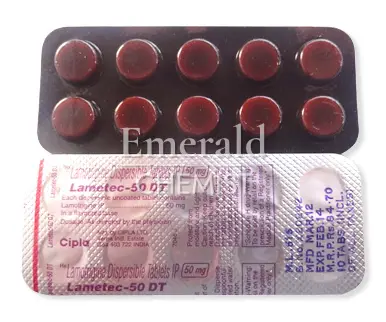
Lamotrigine is another anticonvulsant with a different primary mechanism, focusing on reducing excitatory neurotransmitter release and stabilising neuronal membranes. It is often chosen for long-term mood stabilization with a different safety profile than Depakote.
Lithium provides mood stabilization through entirely different cellular pathways, influencing intracellular signaling and neuroprotective processes. It is commonly used for bipolar disorder and can be effective in preventing both manic and depressive episodes, though it does not function as an anticonvulsant for seizure control.
Compared with Depakote, these agents may present distinct advantages in specific patient populations and carry different risk profiles, particularly regarding liver health, pregnancy considerations, and drug interactions. A clinician may select one agent over another based on the expected benefit for the predominant illness and the individual’s medical history.
The following table summarises core attributes to support discussion with a clinician. It is not a dosing guide and does not replace professional advice.
| Name | Primary use | Typical onset for clinical effects | Key advantage |
|---|---|---|---|
| Depakote (divalproate sodium) | Epilepsy and bipolar I disorder; sometimes migraine prophylaxis | Seizure control may occur within days; mood stabilization often requires weeks | Broad-spectrum activity across seizure types; effective for certain mood episodes |
| Lamotrigine | Bipolar disorder maintenance; partial and tonic-clonic seizures | Mood stabilization generally requires several weeks; seizure control can vary | Often better tolerated in long-term mood maintenance; lower hepatic risk for some patients |
| Lithium | Bipolar disorder (maintenance and acute treatment in many cases) | Manic and depressive episodes may respond over weeks | Strongly evidence-based for mood stabilization and relapse prevention |
| Topiramate | Epilepsy; migraine prophylaxis | Seizure control may progress over days to weeks; migraine benefits after weeks | Useful when other agents cause intolerance or lack of efficacy; beneficial for migraine |
Depakote is taken orally as prescribed, typically as tablets. It is advised to swallow the tablets whole with a drink of water and to take them at consistent times to maintain stable drug levels.
Food may affect absorption, so follow the clinician’s guidance on whether to take with or without meals. If a dose is missed, consult the pharmacist or clinician for instructions rather than doubling the next dose.
Do not discontinue Depakote suddenly unless advised by a healthcare professional, as abrupt stopping may increase seizure risk or mood destabilisation. A gradual taper is often recommended when stopping the medicine.
Storage should be at room temperature, away from moisture and heat. Keep the medicine out of reach of children and never share it with others, even if symptoms appear similar.
Common side effects may include nausea, abdominal discomfort, weight changes, tremor, dizziness, or drowsiness. Some individuals experience hair loss or changes in appetite. These effects are generally dose-related and may improve with time or dose adjustment.
Serious liver injury and pancreatitis are rare but important risks. Liver function tests and clinical monitoring are commonly recommended, particularly during initiation and dose changes. Symptoms such as abdominal pain, persistent vomiting, jaundice, or dark urine warrant urgent medical assessment.
Contraindications include known hypersensitivity to the drug, active liver disease, or other hepatic conditions with elevated risk. In pregnancy, Depakote carries a fetal risk profile that requires careful consideration and specialized management. Consultation with a healthcare professional is essential for women of childbearing potential.
Other safety considerations include potential blood cell count changes and a possible increase in suicidal thoughts or mood changes in some individuals. Routine monitoring and prompt reporting of unusual bleeding, bruising, or mood changes are advised.
Depakote can interact with several medicines, affecting drug levels and safety. The clinician may modify therapy to reduce risk of adverse effects or reduced efficacy.
Interactions may occur with other anticonvulsants, anticoagulants, certain antibiotics, and medicines that influence liver enzymes. Some medicines can increase Depakote levels, while others may be displaced or reduce effectiveness.
Always inform the healthcare team about all medicines currently used, including over-the-counter products, supplements, and herbal remedies. A pharmacist can review potential interactions and advise on safe co-prescribing.
In Ireland, regulatory and professional guidance emphasises careful monitoring when combining Depakote with other drugs that carry hepatic or hematologic risk. Check the official patient information or consult a pharmacist if there is any doubt about a potential interaction.
When considering Depakote versus other options, the following questions address common concerns in a neutral, clinical manner. The information is not a dosing guide and should be discussed with the prescribing clinician.
Switching is sometimes considered when trial results are unfavourable or tolerability is poor. A gradual taper is often used to minimise withdrawal effects and seizure risk. Consultation with a clinician is essential to plan a safe transition.
Both agents have strengths and limitations. Depakote may offer broader seizure control and faster mood stabilization in some cases, whereas lamotrigine is frequently chosen for maintenance therapy with a different safety profile. Individual response varies.
Generic divalproate formulations are available in many settings and may be substituted for brand-name products. Bioequivalence is generally established, but individual response and tolerability can differ. Check local prescribing guidelines and discuss with a pharmacist if concerns arise.
Valproate carries known teratogenic risks and may impact fetal development. If pregnancy is planned or suspected, urgent discussion with a healthcare professional is required to adjust therapy and consider alternatives. Specialist obstetric and pharmacological advice is advised during pregnancy.
Several supplements and OTC products can interact with liver enzymes and drug transporters. A complete list should be reviewed with a pharmacist to minimise risk and ensure continued efficacy. Do not start new supplements without professional guidance.
Onset varies by indication. Mood stabilization may take several weeks, whereas some seizure-related benefits could appear sooner. Regular follow-up is important to assess response and tolerability over time.
The choice depends on the patient’s medical history, potential side effects, and comorbid conditions. Depakote may be preferred in the presence of certain liver considerations or when rapid mood stabilization is desired, whereas lithium has strong evidence for relapse prevention in many patients. Individual factors drive the decision.
Long-term safety requires periodic assessment, particularly liver function, pancreatic enzymes, and blood counts. The risk–benefit balance must be reviewed regularly by a clinician, with the possibility of dose adjustments or therapy changes as needed.
Official patient information leaflets, supplied by the pharmacist alongside the medicine, provide detailed safety warnings, contraindications, and instructions specific to Depakote. These documents should be consulted as a primary source of information.
The pharmacist can explain how Depakote fits with the individual’s health profile and other medications. If questions arise regarding hepatic monitoring, pregnancy planning, or drug interactions, a consultation is advised to ensure safe and effective use.
Local regulatory bodies and national health services provide guidance on prescription status, monitoring requirements, and patient support resources. Check with the issuing pharmacy or healthcare team for Ireland-specific information.
Patients are encouraged to read the accompanying information, keep a current list of medicines, and seek urgent medical help if severe symptoms occur, such as signs of liver problems, unusual bleeding, severe vomiting, or confusion.
14–21 days. Free from €178.51 .
5–9 days. €26.78
−10% when paying with cryptocurrency.
−10% on all repeat orders.
All orders are packed in neutral, unbranded boxes with no product name on the outside.