📞  — free, 24/7
— free, 24/7 — free, 24/7Medications and supplies for managing gout: treatments for acute pain and inflammation, urate‑lowering therapies to prevent flare-ups, and supportive products to reduce uric acid and protect joints. Prescription and OTC options with dosing and safety information.
Medications and supplies for managing gout: treatments for acute pain and inflammation, urate‑lowering therapies to prevent flare-ups, and supportive products to reduce uric acid and protect joints. Prescription and OTC options with dosing and safety information.
Gout is a form of inflammatory arthritis caused by elevated levels of uric acid that can form crystals in joints and surrounding tissues. The "Gout" category groups medications that either reduce uric acid production, increase its elimination, or control the inflammation and pain of acute attacks. Treatments in this category are used for different aims: immediate symptom relief during flares and long-term prevention of future episodes by lowering uric acid levels.
Common use cases include rapid control of an acute gout attack and ongoing management to prevent recurrent flares and joint damage. Acute treatments focus on reducing inflammation and pain over days to weeks, while preventive medicines aim to maintain lower blood uric acid concentrations over months to years. Some people use a combination of short-term anti-inflammatory therapy together with a long-term urate-lowering approach when appropriate.
The types of medications found in this category fall into a few main groups. Xanthine oxidase inhibitors reduce uric acid production; uricosuric agents increase renal excretion of uric acid; and anti-inflammatory agents help manage the pain and swelling of acute attacks. The category may also include supportive options for symptom control. Each class works through a different mechanism and is chosen based on the clinical situation and individual factors.
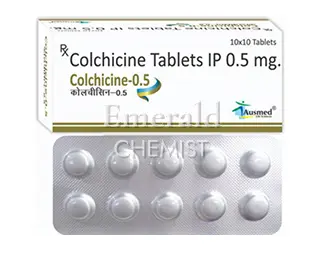
Several well-known medicines commonly associated with gout care include allopurinol (a long-established xanthine oxidase inhibitor, sometimes known by the name Zyloprim), colchicine (an anti-inflammatory agent also marketed as Colcrys), and probenecid (a uricosuric agent marketed under names such as Benemid). Allopurinol is typically used for lowering uric acid over the long term, colchicine is often used in managing acute flares or as short-term prophylaxis when starting urate-lowering therapy, and probenecid acts by increasing uric acid elimination through the kidneys.
General safety considerations relate to side effects, interactions, and underlying health status. Some medications can cause gastrointestinal symptoms, allergic reactions, or more serious adverse effects in certain people; kidney and liver function can influence dosing and suitability. Drug interactions are possible, particularly with agents that affect the same metabolic pathways or renal elimination. Because of these factors, these medicines are usually managed under medical supervision with monitoring as appropriate.
When choosing a medication within this category, consumers typically consider the intended use (acute relief versus long-term prevention), expected side effects, dosing frequency, and whether the product requires prescription-only access. Practical aspects such as pill size, formulation, and how the medication fits with other ongoing treatments or health conditions are also commonly evaluated. Information about how a medicine is categorized—whether it lowers uric acid, increases excretion, or reduces inflammation—helps users understand what to expect from therapy options available in the gout category.