📞  — free, 24/7
— free, 24/7 — free, 24/7| Package | Price per Dose | Price | |
|---|---|---|---|
| 180 pills | €1.84 | €473.73 €331.61 Free shipping | |
| 120 pills | €1.94 | €332.03 €232.42 Free shipping | |
| 90 pills | €2.16 | €277.04 €193.93 Free shipping | |
| 60 pills | €2.47 | €211.48 €148.03 | |
| 30 pills | €3.09 | €133.22 €93.26 |
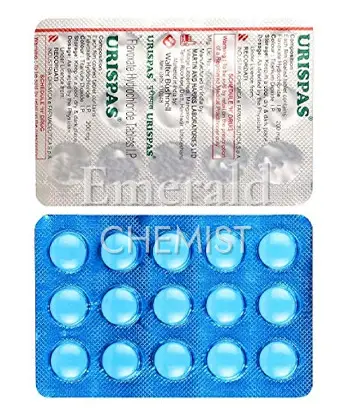
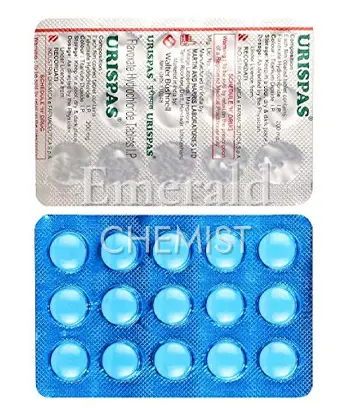
Flavoxate hydrochloride was developed in the 1960s as an early urinary antispasmodic intended to calm overactive bladder muscle. This pharmacologic class targets the detrusor smooth muscle to reduce involuntary contractions and relieve urgent, frequent urges often described by patients with bladder irritation. In practice, flavoxate is viewed as a spacer between symptom flare-ups and daily activities, not a cure for an underlying disease.
Mechanistically, flavoxate behaves as an anticholinergic agent, blocking muscarinic receptors in bladder tissue. By dampening acetylcholine-driven contractions, it can lessen spasms that accompany irritative urinary symptoms. The result is smoother detrusor activity and a reduced sense of urgency for some patients, especially when used as part of a broader symptom-management plan.
After oral administration, flavoxate is absorbed into the bloodstream and processed by the liver. It is then eliminated through the kidneys and, to a lesser extent, via bile. Because it circulates systemically, it can produce both bladder-specific effects and mild, nonbladder side effects in sensitive individuals. Clinicians balance these considerations when deciding on a treatment course.
Clinically, flavoxate hydrochloride is prescribed to relieve bladder spasms and irritative urinary symptoms, including urgency, frequency, and discomfort associated with cystitis or bladder irritation. It is often used in short courses to help patients regain comfortable daily function while underlying issues are being investigated or treated.
It can be helpful in conditions where detrusor overactivity contributes to symptoms, such as certain forms of urethral or bladder irritability or transient post-procedure spasms. While it does not address the root cause of an infection or injury, it can provide symptom relief that supports participation in diagnostic workups or therapy for other urologic issues.
In some settings, flavoxate is used to ease service- or procedure-related bladder discomfort, allowing patients to tolerate examinations and minor interventions with less spasmodic pain. As with other anticholinergic medicines, its role is usually adjunctive rather than curative, with decisions tailored to the patient’s symptom pattern and medical history.
The usual route is oral tablets, swallowed with a glass of water. Flavoxate is typically taken several times a day, and it may be prescribed to be taken with or without food depending on tolerance and the prescribing clinician’s plan.
Formulations are generally designed for short- to moderate-term use. Tablets should be swallowed whole; do not chew or crush unless your clinician directs otherwise. Dosing frequency and duration are individualized, balancing symptom relief with the risk of anticholinergic side effects, especially in older adults.
If dosing guidelines are not clear, or if you have a complex medication regimen, follow your pharmacist’s or clinician’s instructions. Do not stop a course abruptly without professional guidance, as symptoms can return once the medication is discontinued.
There are contraindications for flavoxate hydrochloride. It should not be used in people with certain kinds of urinary retention, significant obstruction of the urinary tract, uncontrolled angle-closure glaucoma, or known hypersensitivity to flavoxate or related compounds. It is used with caution in individuals with compromised bladder emptying or certain forms of heart rhythm disease.
Older adults may be more susceptible to anticholinergic side effects such as confusion, memory changes, dry mouth, or constipation. Pregnancy and lactation require careful risk–benefit consideration, and use should be explicitively guided by a clinician. If you have a history of glaucoma, intestinal blockage, or severe constipation, discuss these factors with your prescriber before starting flavoxate.
Because flavoxate interacts with other medicines, including other anticholinergic drugs, sedatives, and some medicines that affect heart rhythm, it is important to review all current therapies with a healthcare professional. Alcohol can amplify drowsiness and dizziness, and patients should be cautious about activities requiring alertness until they know how flavoxate affects them.
Most people tolerate flavoxate fairly well, but common anticholinergic effects can occur. These may include dry mouth, blurred vision, dizziness or lightheadedness, constipation, and urinary hesitancy. Some patients may notice mild fatigue or mild cognitive changes, especially when first starting treatment or at higher doses.
Seek medical advice if you experience severe dry mouth, severe constipation, confusion, a rapid or irregular heartbeat, severe allergic reactions, or signs of an inability to urinate. If you have any symptoms suggesting an adverse drug reaction, contact a healthcare professional promptly and avoid driving or operating machinery if you feel markedly drowsy or dizzy.
14–21 days. Free from €178.37 .
5–9 days. €26.76
−10% when paying with cryptocurrency.
−10% on all repeat orders.
All orders are packed in neutral, unbranded boxes with no product name on the outside.