📞  — free, 24/7
— free, 24/7 — free, 24/7| Package | Price per Dose | Price | |
|---|---|---|---|
| 6 inhalers | €34.80 | €245.64 €208.79 Free shipping | |
| 3 inhalers | €37.70 | €133.05 €113.09 | |
| inhaler | €42.04 | €49.46 €42.04 |
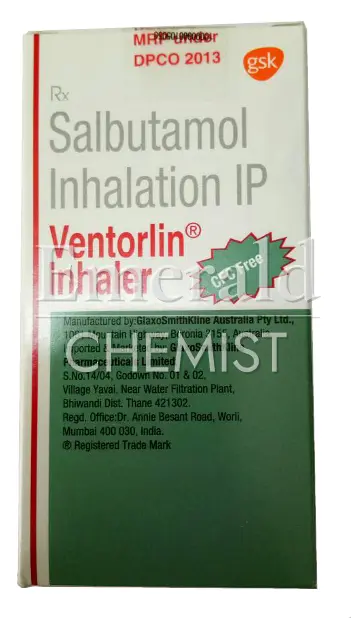
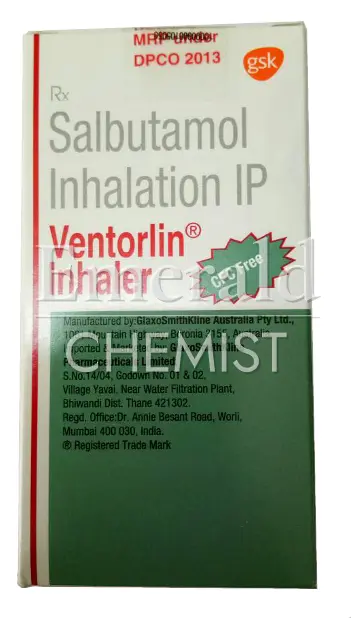
Ventolin inhaler is a brand name for the medicine salbutamol, a fast-acting inhaled bronchodilator. It belongs to a class of medicines known as short-acting beta-agonists (SABA). It is used to relieve symptoms of asthma, bronchitis, and other conditions that cause reversible narrowing of the airways.
The inhaler is a metered-dose inhaler, delivering a measured amount of medicine with each actuation. When used correctly, it helps to open the airways and makes it easier to breathe during episodes of wheeze, chest tightness, or coughing.
Ventolin inhaler is usually used as a reliever inhaler to treat sudden symptoms. It may be prescribed for use before activities that trigger symptoms in some people. In Ireland, availability and access can vary; check the local rules with your pharmacist or doctor. Do not use Ventolin inhaler as a daily control medicine unless advised by a healthcare professional.
The inhaler contains an active medicine and an inactive propellant. It is intended for use by the person for whom it was prescribed and should be kept out of reach of children. Do not share the inhaler with others, even if their symptoms appear similar.
Ventolin inhalers are usually labelled with instructions and a patient information leaflet. Always read the leaflet before first use and after any change in the product or its instructions. If the inhaler is damaged, empty, or difficult to use, discuss alternatives with a pharmacist or doctor.
Storage should be in a cool, dry place away from direct heat and sunlight. Do not expose the canister to temperatures beyond the guidance on the leaflet. If you notice any changes in the inhaler’s spray, colour, or smell, stop using it and seek advice from a healthcare professional.
The primary use of Ventolin inhaler is to relieve acute symptoms of reversible airway obstruction, such as wheezing, shortness of breath, and chest tightness. It helps to quickly widen the air passages so you can breathe more easily during an attack or flare-up.
Some people use Ventolin inhaler before exercise to reduce exercise-induced bronchoconstriction, if advised by their clinician. This is not a substitute for ongoing asthma management, and it should be used as part of a broader treatment plan agreed with a healthcare professional.
Ventolin inhaler is generally not intended as a medicine for long-term control of asthma or chronic obstructive pulmonary disease. People with chronic symptoms often require additional treatments, such as preventer inhalers or other controller medicines, under regular medical supervision.
Your pharmacist or doctor can explain how Ventolin fits into your overall treatment plan. If your symptoms persist or worsen despite using the inhaler, seek medical advice promptly to review your treatment strategy. If you are unsure why you were prescribed Ventolin inhaler, check the official leaflet or ask a healthcare professional for clarification.
Ventolin inhaler may be used in younger people, older adults, or pregnant or breastfeeding individuals only under medical guidance. The suitability and dosing may vary based on age, medical history, and other medicines you take. Always follow professional guidance and the product’s leaflet.
In case of a suspected severe asthma attack or sudden worsening of breathing that does not improve with Ventolin inhaler, seek urgent medical help. Do not delay seeking advice if you have concerns about how well the inhaler is working for you.
Ventolin inhaler delivers salbutamol to the lungs, where it targets receptor sites in the smooth muscles lining the airways. Activation of these receptors causes the muscles to relax, which opens the airways and reduces resistance to airflow.
The effect is typically rapid, helping to relieve symptoms within minutes for many people. The bronchodilating action eases breathing and can reduce the feeling of tightness in the chest during an episode.
The relief from a Ventolin inhaler lasts for several hours for many users, though the exact duration can vary between individuals and depends on factors such as the severity of symptoms and how well the inhaler is used.
Ventolin inhaler provides quick relief but does not treat underlying inflammation in the airways. For long-term control, daily preventer medicines or other therapies may be required as part of a broader asthma or COPD management plan.
As with all medicines, response can differ. If you notice a reduced effect after a period of good relief, or if you need to use the inhaler more often, discuss this with your doctor or pharmacist. They can help determine whether your overall treatment plan needs adjustment.
Using the inhaler correctly enhances effectiveness. If you have questions about how salbutamol works or how it interacts with other medicines, your pharmacist is a good source of information. Always refer to the leaflet for a full explanation of how the product works and what to expect during treatment.
Read the leaflet that comes with your inhaler and follow the instructions given by your healthcare professional. Proper technique helps ensure the right amount of medicine reaches your lungs. If you are unsure, ask your pharmacist for a quick demonstration.
Before first use or after a long time without using the inhaler, you may need to prime it as indicated in the instructions. This involves preparing the inhaler so that a spray is delivered consistently with each puff.
When you are ready to use the inhaler, exhale fully away from the inhaler. Place the mouthpiece in your mouth and seal your lips around it, keeping your head in a natural position. Do not block the vent on the canister with your fingers.
As you start to breathe in slowly, press down on the canister once to release a puff, and continue to inhale deeply. Hold your breath for a few seconds if you can, then breathe out slowly. If a second puff is advised, wait a short period before taking it, following the leaflet or clinician’s guidance.
If you use a spacer device, attach it according to the spacer’s instructions, then use the inhaler as directed. Spacers can help some people deliver medicine more effectively, particularly for children or people who have difficulty coordinating inhalation with a spray.
After finishing, replace the cap on the inhaler. Rinse your mouth with water if you notice throat irritation or a funny taste. Do not swallow the rinse water. Store the inhaler as recommended by the leaflet and your pharmacist.
People with a known allergy to salbutamol or to any other ingredients in the inhaler should not use it unless advised otherwise by a clinician. An allergic reaction may present as swelling, hives, or difficulty breathing, and requires urgent medical attention.
If you have a history of certain heart problems, such as severe tachycardia, arrhythmias, or very high blood pressure, you should discuss the risks and benefits with a healthcare professional. They can determine whether Ventolin inhaler is appropriate for you or whether alternatives are recommended.
Ventolin inhaler should be used with caution in people with diabetes, thyroid disorders, or a history of severe electrolyte disturbances unless advised by a clinician. These conditions can influence how the medicine is tolerated and how well it works for you.
In children and adolescents, Ventolin inhaler use should be guided by a healthcare provider to ensure safety and effectiveness. The same applies to pregnant or breastfeeding individuals, who should use the inhaler only under medical supervision and with close monitoring.
If your inhaler becomes damaged, the pressurised container compromised, or you notice changes in the spray, stop using it and talk with your pharmacist or doctor about a replacement or alternative treatment.
Always tell your healthcare professional about all medicines you take, including over-the-counter products and supplements. This helps identify potential interactions or conditions that may affect Ventolin use.
Ventolin inhaler should be used exactly as prescribed and as described in the leaflet. Do not exceed the recommended frequency of use, unless advised by a clinician. Overuse can lead to unwanted effects on the heart or the nervous system.
If your symptoms do not improve after using the inhaler, or they worsen, seek medical advice promptly. You may need an updated treatment plan or further assessment to rule out other conditions or complications.
Keep track of how often you use the inhaler. A marked increase in use can indicate that your asthma or lung condition is not as well controlled as it should be, and a professional review may be necessary.
Store the inhaler away from direct heat and heat sources. Do not puncture or burn the canister, even when it seems empty. Dispose of it according to local guidelines and consult a pharmacist about safe disposal options if you are unsure.
Ventolin inhaler should be kept out of reach of children. If a child accidentally uses the inhaler or shows signs of overuse, seek medical advice promptly because they may require monitoring or treatment adjustments.
In the event of a severe allergic reaction or signs of heart-related side effects, seek urgent medical help. Severe or sudden symptoms require immediate professional assessment and action.
Like all medicines, Ventolin inhaler can cause side effects, although not everyone gets them. Most people tolerate the inhaler well when used as directed. If a side effect becomes troublesome or persistent, contact a healthcare professional.
Common side effects include a feeling of tremor or shakiness, headache, a fast heartbeat (palpitations), throat irritation, coughing, and a dry mouth. These effects are usually mild and resolve with continued use or after stopping the inhaler.
Less common side effects can include nausea, dizziness, a sensation of nervousness, or muscle cramps. If you notice persistent or unusual symptoms after using the inhaler, discuss them with your clinician.
Serious but rare reactions to Ventolin inhaler may include severe chest pain, chest tightness with little or no relief, severe allergic reactions with swelling, hives, or trouble breathing. Seek urgent medical help if you experience any signs of a severe reaction.
If you are pregnant, breastfeeding, or taking other medicines, be mindful of potential interactions that could influence side effects. Always report new or worsening symptoms to your doctor or pharmacist.
Some people may experience a bad taste in the mouth or a mild irritation in the throat. Rinsing the mouth after use can help reduce this sensation. Do not stop using the inhaler without discussing it with a healthcare professional if you notice adverse effects.
Ventolin inhaler can interact with other medicines. It is important to tell your healthcare provider about all medicines you use, including prescription drugs, over-the-counter products, and herbal supplements. Interactions may affect how well Ventolin works or increase the risk of side effects.
Medications that may interact with salbutamol include non-selective beta-blockers or certain heart medicines. In some cases, these interactions can lessen the effect of Ventolin or produce opposing effects on heart rate and blood pressure. Your clinician will consider this when prescribing.
Inhaled bronchodilators or other prescription inhalers used together with Ventolin may require careful timing or monitoring. Do not start or stop any medicine without speaking to your doctor or pharmacist.
Stimulants such as caffeine can occasionally amplify heart-related side effects in sensitive individuals. If you consume large amounts of caffeine regularly, discuss this with your clinician to understand potential implications for Ventolin use.
If you notice new symptoms after starting Ventolin or changes in how you feel after using other medicines, contact a healthcare professional for advice. They can determine whether an adjustment to your treatment is appropriate.
If you are pregnant or planning pregnancy, you should use Ventolin inhaler only under medical supervision. Your healthcare professional will weigh the benefits for you and the possible risks to the baby. Do not stop or start treatment without professional guidance.
Breastfeeding individuals can often use inhaled medicines like Ventolin, but you should discuss with a clinician whether any adjustments are needed. In some cases, a precautionary approach or monitoring may be advised to protect the baby.
Tell your healthcare provider about any prior pregnancies, asthma history, or breathing conditions. They can tailor the treatment plan to your needs and monitor you appropriately during pregnancy or after delivery.
In Ireland, access to medicines may depend on local rules; speak with your pharmacist or doctor to understand what is suitable for you in your situation. Always rely on the leaflet and professional advice for pregnancy-related decisions.
If you experience signs of intolerance or side effects during pregnancy, seek medical guidance promptly. The goal is to maintain good breathing while ensuring safety for both you and the baby.
Never adjust your inhaler use on your own during pregnancy. A healthcare professional can provide personalised recommendations and monitoring throughout this period.
What does Ventolin inhaler treat and how should I use it as-needed? Ventolin is a reliever inhaler used to treat sudden asthma or breathing symptoms. Use it as directed by your clinician or according to the leaflet. If symptoms persist, seek medical advice promptly.
How long does it take for Ventolin to work? Relief is usually felt quickly after inhalation, often within minutes. The exact timing can vary between individuals and depends on the severity of symptoms and how you use the inhaler.
Can I use Ventolin inhaler daily? It should be used for relief as prescribed and not as a replacement for regular maintenance therapy unless advised by a clinician. If you need frequent use, contact your doctor to review your treatment plan.
What should I do if I miss a dose or forget to use the inhaler? If you miss a scheduled use of a reliever inhaler, use it when you next need it or as advised by your healthcare professional. Do not double up doses without guidance.
Is it safe to share this inhaler with others? No. Ventolin inhaler is prescribed for an individual and should not be shared, even if another person has similar symptoms. Dosing and instructions differ for each person.
Should I use Ventolin before exercise? Some people are advised to use it before exercise to prevent symptoms. Follow the advice given by your clinician, and do not use it to replace a regular preventive plan.
Can I combine Ventolin with other inhalers? It is common to use Ventolin with other inhalers, such as preventer inhalers. Always use them in the order recommended by your healthcare team or the leaflet, and discuss any timing with your pharmacist.
What if Ventolin inhaler does not seem to work as well as before? If you notice reduced effectiveness, or symptoms persist despite using the inhaler, contact your doctor. Your treatment plan may need review or adjustment.
What should I do if I accidentally inhale too much Ventolin? If you suspect overuse or overdose, seek medical help promptly. Symptoms may include rapid heartbeat, tremor, or chest pain and require assessment.
How should Ventolin inhaler be stored? Store at room temperature, away from heat and direct sunlight. Do not freeze the inhaler and keep it out of reach of children. Use and dispose of the inhaler according to the leaflet.
Do I need a prescription to obtain Ventolin inhaler in Ireland? The need for a prescription depends on local rules. Your pharmacist or doctor can tell you what is required in your area and help with access.
Where can I get more information about Ventolin inhaler? The most reliable sources are the leaflet that comes with your inhaler and your healthcare professional. They can provide guidance tailored to your health and circumstances.
Manufacturer-provided patient information leaflets give detailed instructions, indications, and warnings for Ventolin inhalers. Always refer to the official leaflet with your product for the most current information.
Local health service guidance and pharmacy advice in Ireland can help you understand how Ventolin fits into your overall asthma or COPD management plan. Your GP or respiratory specialist can offer personalised advice based on your medical history.
The safety information provided here is intended as an overview and is not a substitute for medical advice. If you have questions about Ventolin inhaler, consult your pharmacist or doctor for specific instructions related to your health needs.
For ongoing management, keep an up-to-date list of medicines you take and share it with your healthcare team at every visit. This helps ensure safe and coordinated care.
Always check the product leaflet, the packaging, and any guidance provided by your local pharmacy. If you notice changes in your symptoms or treatment response, contact a healthcare professional promptly.
14–21 days. Free from €174.71 .
5–9 days. €26.21
−10% when paying with cryptocurrency.
−10% on all repeat orders.
All orders are packed in neutral, unbranded boxes with no product name on the outside.